Lamentations
Grief over Jerusalem's destruction and hope in God's mercy
Old Testament · 5 chapters
Chapter 1
Lady Zion personifies Jerusalem's grief and shame as a widow after Babylon's siege, confessing her sin that provoked YHWH's anger and led to her desolation and abandonment.[1][3]
Chapter 2
Chapter 2 focuses on the fall of Jerusalem and depicts it as a consequence of Israel's sin brought about by YHWH's wrath, understood as divine justice rather than volatile anger.[1] The poet acknowledges that YHWH's judgment was justified due to Israel's covenant violations, yet continues to lament and appeal to YHWH for compassion.[1]

Chapter 3
The speaker laments intense personal suffering inflicted by **YHWH**, describing affliction like siege, darkness, chains, and arrows, leading to despair where hope from **YHWH** seems perished (verses 1-20). Amid communal judgment for sin, he calls for self-examination and return to **YHWH**, affirms His steadfast love and mercies as new every morning, urges patient hope, and pleads for deliverance from enemies (verses 21-66).
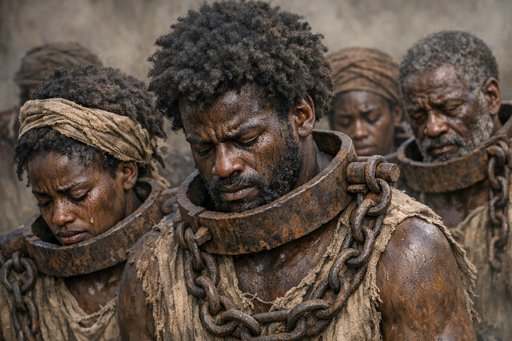
Chapter 4
Lamentations 4 depicts the devastating destruction of Jerusalem and its inhabitants, describing how the precious sons of Zion have become like broken pottery, with infants starving, the rich perishing in streets, and people suffering worse punishment than Sodom.[1][2] The chapter attributes this catastrophe to the sins of the people, particularly the corruption and spiritual failure of the priests and prophets who failed to proclaim YHWH's word, resulting in YHWH pouring out His full wrath upon His people.[1][2]
Chapter 5
The people plead with **YHWH** to remember their profound misery under Babylonian occupation, including loss of inheritance, famine, rape, enslavement, and social upheaval, all attributed to their sin.[1][2][3] They confess their iniquity, lament Zion's desolation, and implore **YHWH** for restoration while fearing utter rejection.[1][4][5]