2 Chronicles
Solomon's temple, the kings of Judah, and the exile
Old Testament · 36 chapters
Chapter 1
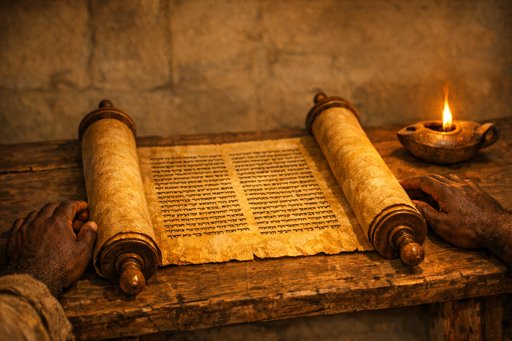
שְׁלֹמֹה establishes his kingdom and offers sacrifices at גִּבְעוֹן, where YHWH appears to him in a dream, granting his request for wisdom to govern Israel rather than riches or long life[1][5]. שְׁלֹמֹה then amasses great wealth, chariots, and horses, displaying YHWH's blessing on his rule[1].
Chapter 2
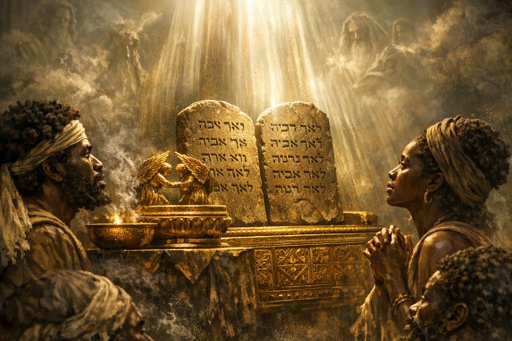
Solomon prepares materials and makes arrangements with Hiram, king of Tyre, to obtain cedar, cypress wood, and skilled craftsmen for building the temple.[1] Solomon gathers laborers and resources, organizing the workforce needed for the temple construction project.[1]
Chapter 3
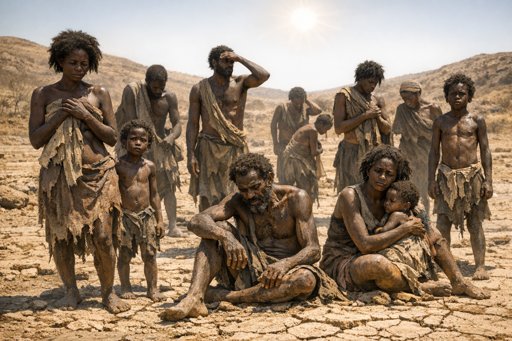
שׁלמה begins building the בֵּית YHWH in יְרוּשָׁלַם on הַר הַמּוֹרִיָה, using precise measurements and materials as instructed by דָּוִיד his father. He constructs the הֵיכָל הַגָּדוֹל, the בֵּית הַקֹּדֶשׁ, the בֵּית הַפְּנִימִי with כְּרוּבִים, and adorns everything with זָהָב טָהוֹר and intricate carvings.
Chapter 4
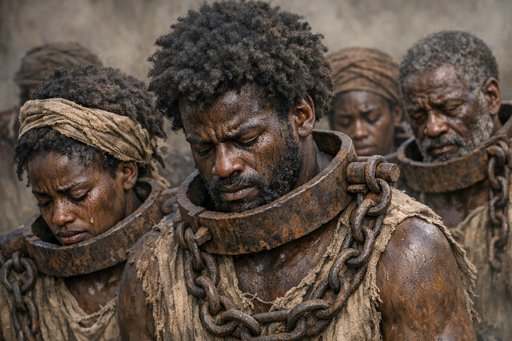
Solomon constructs the bronze altar, sea, and various furnishings for the house of YHWH, including ten tables, lampstands, basins, and other utensils, all crafted by Hiram of Tyre using advanced metallurgy. The chapter details the precise measurements and placements of these temple items within the courts and house of YHWH.[1][6]
Chapter 5
The Ark of the Covenant is brought into the Temple of YHWH in Jerusalem amid great celebration with trumpets, cymbals, and singing. YHWH's glory fills the Temple as a cloud, preventing the priests from ministering.[5][1]
Chapter 6
שׁלמה (Solomon) blesses the assembly, acknowledges YHWH's presence in the Temple he built, and offers an extensive dedicatory prayer invoking YHWH to hear from heaven prayers directed toward the Temple in scenarios of oaths, defeat by enemies, drought, famine, plague, captivity, and foreign supplications, forgiving sins upon repentance and maintaining justice[1][2][6].
Chapter 7
Shlomo completes the Bayit (Temple); YHWH appears in fire and accepts it, instructing Shlomo that if he obeys Torah, YHWH will dwell there forever, but disobedience will lead to exile. Shlomo dedicates the Bayit with sacrifices, feasting, and YHWH promises to hear prayers toward the Bayit, sending rain and forgiving sins upon repentance.[1][6]
Chapter 8
After twenty years, Shlomo rebuilt cities given by Chiram, conquered Chamath-Tzovah, built Tadmor and storage cities like Beit-Choron, using descendants of Kena'ani peoples as forced laborers while Israelites served as officers. He housed Pharaoh's daughter separately due to the holiness of David's palace where the Aron ha-Berit entered, offered olot to YHWH per Moshe's mishpatim for daily, Shabbat, chodashim, and mo'adim, and appointed kohanim, Levim, and gatekeepers per David’s ordinance.
Chapter 9
The Queen of Sheba visits Solomon to test his wisdom with difficult questions, and upon witnessing his extraordinary wealth, wisdom, and the magnificence of his house and throne, she praises YHWH for establishing him as king to execute justice and righteousness.[1][2][3] Solomon's fame, wealth, and international trade bring him great riches in gold, silver, and precious goods, demonstrating YHWH's fulfillment of His promise to bless Solomon with wisdom, wealth, and fame beyond what he had requested.[4]
Chapter 10
Rehoboam goes to Shechem where Israel, led by Yərōḇō‘am, requests lighter burdens than those imposed by Šəlōmōh; he rejects the zəqēnîm's wise counsel to serve the people and instead follows the harsh advice of his peers[1][2]. Declaring he will add to their yoke and chastise them with ‘ăqārāḇîm, he provokes Israel's rebellion, stoning ‘Ăḏōnîrām and forcing Rehoboam to flee to Yərûšālayim, fulfilling YHWH's word through ’Ăḥîyāh haš-Šîlōnî as the kingdom divides[1][2].
Chapter 11
Rehoboam assembles 180,000 warriors to reclaim the northern tribes, but the prophet Shemaiah delivers YHWH's word commanding him to abandon the military campaign, recognizing the kingdom's division as God's will.[1][2] Following this obedience, Rehoboam fortifies strategic cities in Judah and Benjamin, and priests and Levites from the north migrate to Judah, strengthening his kingdom as Jeroboam leads the northern tribes into religious apostasy.[1][5]
Chapter 12
After establishing his kingdom, Rehoboam forsook the law of YHWH, leading Shishak king of Egypt to invade Judah and capture Jerusalem in his fifth year[1][2][3]. The prophet Shemaiah declared YHWH's abandonment due to their unfaithfulness; upon the king and leaders humbling themselves and confessing 'YHWH is righteous,' YHWH granted partial deliverance through Shemaiah, allowing subjection to Shishak to learn the difference between serving YHWH and foreign kings, after which Shishak plundered the temple and palace treasures, prompting Rehoboam to replace gold shields with bronze[1][3][4].
Chapter 13
King Abijah of Judah confronts Jeroboam of Israel, delivering a speech that contrasts Judah's faithfulness to YHWH and His covenant with Israel's apostasy and idolatry, declaring that fighting against Judah is fighting against YHWH.[2][3] Despite being outnumbered (400,000 men against 800,000), Judah achieves a decisive victory when YHWH intervenes, resulting in 500,000 Israelite casualties and the subjugation of Israel under Abijah's rule.[2][3]
Chapter 14
King Asa reigns righteously over Judah, commanding the people to seek **YHWH** the God of their fathers, removing pagan high places and altars, enjoying ten years of peace, and building fortified cities with a mighty army.[1][2][3] Zerah the Ethiopian invades with a million men, but Asa cries to **YHWH** for help against overwhelming odds, and **YHWH** strikes the enemy, granting Judah decisive victory and abundant spoil from Gerar and surrounding cities.[1][2][5]
Chapter 15
The Spirit of God empowers Azariah son of Oded to deliver a message to King Asa, reminding him that YHWH will be found by those who seek Him but will forsake those who forsake Him.[1][3] In response, Asa leads a national covenant renewal where the people of Judah and Benjamin gather to seek YHWH with all their heart and soul, resulting in YHWH granting them peace and rest on every side.[3][4]
Chapter 16
In the 36th year of Asa's reign, Baasha king of Israel builds Ramah to blockade Judah, prompting Asa to plunder the temple and palace treasuries to bribe Ben-Hadad king of Aram (Syria) into attacking Israel, forcing Baasha to withdraw.[2][4] The prophet Hanani rebukes Asa for relying on Aram rather than YHWH, whose eyes roam the earth to strengthen the loyal-hearted; Asa imprisons Hanani, oppresses the people, and later dies of foot disease without seeking YHWH's help.[1][2][3]
Chapter 17
Yehoshaphat son of Asa succeeds as king, strengthens Judah's defenses against Israel, and seeks YHWH, walking in David's ways and rejecting the Baals and Israel's practices.[1][3] YHWH establishes his kingdom with riches and honor; he sends officials, Levites, and priests throughout Judah to teach the Torah, resulting in the fear of YHWH upon surrounding nations who bring tribute, and he musters a vast army.[2][3][5]
Chapter 18
King Jehoshaphat of Judah forms an alliance with King Ahab of Israel and agrees to join him in battle against Ramoth Gilead, despite the warning of the prophet Micaiah that YHWH has decreed Ahab's death.[1][2] Ahab disguises himself in battle while Jehoshaphat wears his royal robes; Ahab is struck by an arrow and dies propped up in his chariot at evening, fulfilling Micaiah's prophecy.[1][2]
Chapter 19
יהושפט returns safely to Jerusalem after battle, where the prophet יֵהוּא son of חֲנָנִי rebukes him for allying with the wicked אחאב who hates YHWH, though good is found in him for removing the Asherah poles and preparing his heart to seek God[1][2][3][5]. He travels from בְּאֵר שֶׁבַע to hill country of אֶפְרַיִם, calls people back to YHWH אֱלֹהֵי אֲבוֹתָם, appoints judges in fortified cities charging them to judge for YHWH with fear and impartiality, and establishes Levites and priests in Jerusalem for cases per תּוֹרַת YHWH[1][2][4].
Chapter 20
King Jehoshaphat of Judah proclaims a fast upon hearing that a vast coalition of Moabites, Ammonites, and Meunites advances from beyond the sea to Hazazon-tamar (En-gedi); he prays before the assembly in the Temple, acknowledging YHWH's sovereignty, past deliverances, and covenant with Abraham, confessing powerlessness and dependence: 'Our eyes are upon you.'[1][2] A Levite prophet Jahaziel declares YHWH's assurance that the battle is His; Judah worships, then advances with singers praising YHWH's holiness ahead of the army, whereupon YHWH sets ambushes causing the enemies to mutually destroy each other, yielding three days of spoils; the people bless YHWH in Jerusalem.[1][2][5]
Chapter 21
Jehoram succeeds Jehoshaphat, murders his brothers to secure the throne, and leads Judah into idolatry like the house of Ahab, his father-in-law, prompting revolts by Edom and Libnah.[1][2][3][4] YHWH sends a prophetic letter via Elijah warning of judgment; enemies plunder Judah, kill his family except youngest son Jehoahaz, and Jehoram dies painfully of bowel disease, buried without honor.[1][2][3][4]
Chapter 22
Ahaziah, son of Jehoram, reigns wickedly in Jerusalem, advised by his mother Athaliah and the house of Ahab, allying with Joram of Israel against Hazael at Ramoth-Gilead, where his brothers' sons are slain by Jehu executing YHWH's judgment on Ahab's house[1][2][3]. Ahaziah is killed, Athaliah massacres the royal seed except Joash whom Jehoshabeath hides in the בית האלהים (House of God), preserving David's line by YHWH's covenant mercy[1][2][3].
Chapter 23
In the seventh year, the priest **Yehoiada** orchestrates a covenant with army captains, Levites, and leaders to proclaim the hidden infant king **Yo'ash** (Joash), son of Ahazyahu, as rightful heir to David's line as promised by **YHWH**, arming them to guard him in the house of **YHWH**.[1][2][3] When **'Atalyahu** (Athaliah) cries treason, Yehoiada orders her execution outside the temple at the Horse Gate; a covenant is made for the people to be **YHWH**'s, temple worship is restored with gatekeepers, and Yo'ash is enthroned amid rejoicing.[1][2][4]
Chapter 24
Joash, guided by Jehoiada the priest, repairs the temple of YHWH by collecting funds as per Moses' commandment, restoring worship during Jehoiada's lifetime.[1][2] After Jehoiada's death, Joash forsakes YHWH for Asherah poles and idols, ignores prophets including Zechariah son of Jehoiada whom he stones; YHWH delivers Judah to a small Aramean army, and Joash is wounded and assassinated by his servants.[1][2][3]
Chapter 25
Amaziah executes his father's murderers but spares their children per the Torah, hires Israelite mercenaries but obeys a prophet by dismissing them, defeats the Edomites in the Valley of Salt, yet brings back and worships their gods, provoking YHWH's anger.[1][2][3] A prophet warns him, but he challenges King Jehoash of Israel, suffers defeat with Jerusalem plundered, and later faces conspiracy and death.[2][3][4]
Chapter 26
Uzziah becomes king of Judah at age sixteen and prospers greatly through military victories, building projects, and seeking YHWH, earning fame and strength.[1][3] However, his pride leads him to unlawfully enter the temple and burn incense, an act reserved for priests; YHWH strikes him with leprosy as punishment, and he remains afflicted until his death.[1][3]
Chapter 27
Jotham son of Uzziah did what was right in the sight of YHWH, following his father's good ways but not entering the temple of YHWH to burn incense as Uzziah had done in pride.[1][2] He built the upper gate of the house of YHWH, fortified the wall of Ophel, erected cities in Judah, and prevailed against the Ammonites who paid him tribute for three years, becoming mighty because he prepared his ways before YHWH his God, though the people continued acting corruptly.[1][2][4]
Chapter 28
Ahaz, king of Judah, engages in idolatry by making molten images for the Baals, burning his children in fire to Molech in the Valley of Ben-Hinnom, and forsaking YHWH, leading to defeats by Syria and Israel under Pekah who slay 120,000 and capture 200,000.[1][2][4] Prophet Oded rebukes Israel for enslaving their Judahite kin, prompting leaders to clothe, feed, and return the captives; Ahaz further sins by seeking Assyrian aid, closing YHWH's temple, and sacrificing to their gods.[1][2][3]
Chapter 29
King Hezekiah opens and repairs the doors of YHWH's house, exhorts the priests and Levites to cleanse the temple due to ancestral unfaithfulness, and vows to renew the covenant with YHWH to avert His wrath.[1][2][3] The Levites purify the temple, after which Hezekiah and the assembly offer sin offerings, burnt offerings, and thank offerings, leading to worship, praise, and great joy before YHWH.[1][2][3][4]
Chapter 30
Hezekiah sends letters throughout Israel and Judah urging the people to return to **YHWH**, not be stiff-necked like their fathers, and come to Jerusalem to celebrate Passover in his sanctuary, promising that **YHWH** is gracious and will show compassion if they repent[1][2][3]. The people respond with mixed reactions but assemble; they observe Passover in the second month after priests and Levites sanctify themselves, eat the feast with joy for fourteen days amid teaching, confession, and peace offerings, and **YHWH** heals them in response to Hezekiah's prayer for the ritually unclean northerners[1][2][3][4].
Chapter 31
After Hezekiah's Passover celebration, all Israel destroys idolatrous pillars, Asherah poles, high places, and altars throughout Judah, Benjamin, Ephraim, and Manasseh.[1][2] Hezekiah reinstates the divisions of priests and Levites for temple service and reestablishes the practice of tithing, to which the people respond abundantly, providing more than enough for the priests' and Levites' sustenance.[1][2]
Chapter 32
Sennacherib king of Assyria invades Judah; Hezekiah fortifies Jerusalem, stops water supplies, and encourages the people that YHWH is with them to fight their battles against the Assyrian host. Sennacherib's officials blaspheme YHWH, but YHWH sends an angel to annihilate the Assyrian army, saving Jerusalem; later Hezekiah prospers, falls ill but recovers, shows pride to Babylonian envoys, then humbles himself averting wrath.
Chapter 33
King Manasseh reigns 55 years in Jerusalem, committing evil by building altars to the starry hosts in YHWH's temple courts, sacrificing his sons in the fire at Ben-Hinnom, and practicing witchcraft, divination, and consulting mediums, provoking YHWH's anger despite warnings[1][3][4]. Captured by Assyria and taken to Babylon, he repents, humbles himself before the God of his fathers, is restored to Jerusalem, removes idols, restores YHWH's altar, and commands Judah to serve YHWH, though they persist in high places; his son Amon reigns wickedly two years and is assassinated[1][3][4].
Chapter 34
Josiah, ascending the throne at eight, began seeking YHWH in his eighth year and purging Judah, Jerusalem, and Israel of high places, Baal altars, Asherim, and idols in his twelfth year, destroying them thoroughly[1][2][3]. During temple repairs, the Book of the Law was found; alarmed, he consulted prophetess Huldah, who foretold YHWH's judgment on Judah for idolatry but promised Josiah peace in death for his humility; he then read the book publicly, renewed the covenant to obey YHWH wholeheartedly, and enforced it upon Jerusalem and Benjamin[1][2][3].
Chapter 35
King **Josiah** organizes a grand **Passover** in Jerusalem, instructing the priests and Levites to return the ark to the temple, prepare according to David and Solomon's divisions, slaughter the lambs, and conduct the service with music and gatekeepers in perfect order to honor **YHWH**[1][2][3]. Later, Josiah disregards Pharaoh **Necho**'s warning—spoken as from **God**—to avoid battle at Megiddo, disguises himself, is mortally wounded by archers, and dies in Jerusalem[1][2][3][4].
Chapter 36
2 Chronicles 36 recounts the reigns of Judah's final kings—Jehoahaz, Jehoiakim, Jehoiachin, and Zedekiah—who did evil before YHWH, leading to Babylonian invasions by Neco and Nebuchadnezzar; the people mocked YHWH's prophets until no remedy remained, culminating in Jerusalem's destruction, the temple's burning, and exile to fulfill Jeremiah's 70-year prophecy (2 Chronicles 36:15-21). It concludes with YHWH stirring Cyrus king of Persia to decree the temple's rebuilding, initiating restoration (2 Chronicles 36:22-23).