Psalms
Songs of praise, lament, thanksgiving, and wisdom
Old Testament · 150 chapters
Chapter 1
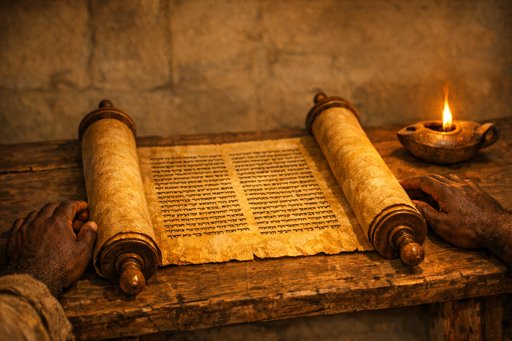
Blessed is the one who delights in YHWH's Torah and meditates on it day and night, like a tree planted by streams yielding fruit, while the wicked are like chaff driven away and will perish.[4][5] This psalm contrasts the righteous path of Torah obedience with the fate of the ungodly.[1][2]
Chapter 2
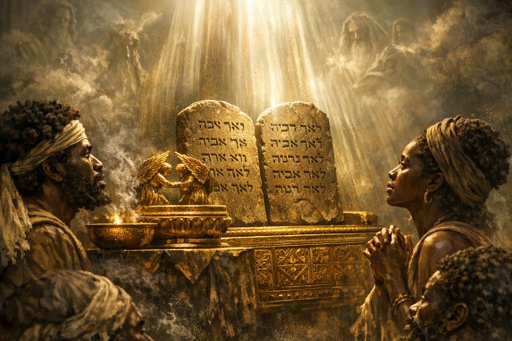
Nations rage and rulers conspire against YHWH and his anointed king, but YHWH laughs at their vain plots from heaven. He installs his Son as king on Zion, declaring him begotten, and warns kings to serve YHWH with fear lest he shatter them in wrath.[1][8]
Chapter 3
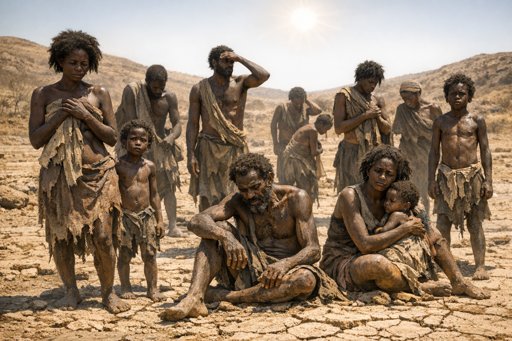
David laments his many foes and Absalom's rebellion, yet trusts YHWH as his shield and sustainer who grants sleep amid danger. He calls upon YHWH for deliverance, confident that salvation belongs to YHWH and his blessing rests upon his people.[1][3][7]
Chapter 4
A psalm of trust in YHWH during times of trouble and distress.[1] The psalmist calls upon God for prayer and expresses confidence in divine protection and deliverance.
Chapter 5
David prays to YHWH in the morning, seeking audience and guidance, contrasting the righteous who take refuge in YHWH with the wicked whose deceitful words and insolence lead to destruction by divine judgment.[1][8]
Chapter 6
David pleads with YHWH for mercy and healing from severe illness, promising to praise Him if spared from Sheol where no remembrance of YHWH occurs.[1]
Chapter 7
David's **shigayon** prayer to YHWH, pleading innocence against Cush the Benjamite's false accusations, imploring YHWH to judge the wicked and vindicate the righteous.[1][7]
Chapter 8
David marvels at the majesty of **YHWH** displayed in the heavens, wonders at infants' praise silencing enemies, and celebrates humanity's dignity as crowned with glory and given dominion over creation by **YHWH**'s hand.[1][8]
Chapter 9
David praises YHWH for His righteous judgment and deliverance from enemies, celebrating God's destruction of the wicked and His eternal throne.[1][3] The psalm emphasizes that YHWH remembers the afflicted and the cries of the needy, while warning that the wicked fall into the traps they set for others.[1][3]
Chapter 10
Psalm 10 laments YHWH's apparent absence as the wicked, marked by pride and denial of God ('There is no God'), prosper, oppress the helpless like lions in ambush, and boast that YHWH forgets their evil.[1][2][3] The psalmist pleads for YHWH to arise, break the wicked's power, vindicate the afflicted and fatherless, affirming YHWH's eternal kingship and justice.[1][2]
Chapter 11
David trusts in YHWH as his refuge amid the wicked who seek to destroy the righteous, rejecting advice to flee like a bird to the mountains. He affirms that YHWH tests the righteous and the wicked, and will rain coals, fire, and brimstone upon the unjust while upholding the upright in His countenance.[1][3]
Chapter 12
David laments the scarcity of godly people amid a generation of deceitful lips and flattering tongues, crying out to YHWH for help. YHWH declares he will arise to protect the oppressed poor while cutting off all flattering lips, affirming that his pure words will be vindicated.[3][8]
Chapter 13
David laments YHWH's apparent forgetfulness and hidden face, repeated cries of 'How long?' over his soul's sorrow and enemy's exaltation (vv. 1-2), pleading for enlightenment lest he sleep in death and foes rejoice (vv. 3-4). He trusts in YHWH's mercy, rejoices in salvation, and vows to sing praise for YHWH's bountiful dealings (vv. 5-6).[1][2][3]
Chapter 14
The Psalm of the Fool describes the corruptness of the atheist fool who denies God's existence and engages in wickedness.[2] It contrasts the fool's rejection of YHWH with the righteousness of those who seek God.
Chapter 15
Psalm 15, a psalm of David, poses the question of who may sojourn in YHWH's tent or dwell on his holy hill, answered by the one who walks blamelessly, practices righteousness, speaks truth in his heart, avoids slander and harm to neighbors, despises the vile but honors those fearing YHWH, keeps oaths even to his own hurt, lends without interest, and rejects bribes against the innocent.[1][2][3] Such a person will never be shaken.[1][3]
Chapter 16
David pleads for preservation from YHWH, in whom he trusts exclusively as his sovereign good, rejecting other gods whose followers multiply sorrows, and declares YHWH as his delightful inheritance and portion.[1][2] He blesses YHWH for counsel, sets Him always before him for unshakeable stability, and expresses hope that YHWH will not abandon his soul to Sheol nor let His Holy One see decay, promising fullness of joy in YHWH's presence forever.[1][2]
Chapter 17
David presents an earnest plea for deliverance to YHWH, professing his innocence and righteousness while asking God to vindicate him against his enemies who surround and threaten him like lions.[1][2] The psalm contrasts David's trust in YHWH and his commitment to righteousness with his worldly enemies, concluding with David's confident assertion that he will see YHWH's face and be satisfied in His presence.[2]
Chapter 18
David praises YHWH for delivering him from his enemies, describing his distress as being surrounded by the cords of death and Sheol, and recounting how YHWH heard his cry and responded with divine anger that shook the earth.[1][3] David celebrates his victory over his enemies, attributing his strength and success to YHWH's empowerment, and declares that YHWH rewarded him according to his righteousness.[1][2]
Chapter 19
The psalm celebrates God's revelation through creation, where the heavens continuously declare YHWH's glory and divine handiwork, with the sun serving as a powerful metaphor for God's strength and order. It then shifts to praising YHWH's written word (Torah) as perfect, pure, and righteous, before concluding with the psalmist's prayer for cleansing from hidden faults and presumptuous sins, seeking to offer acceptable worship to YHWH.
Chapter 20
Psalm 20 is a royal prayer in which the assembled people of Israel intercede for King David before he goes into battle, asking YHWH to grant him victory and fulfill his desires.[1][2] David then expresses his confidence that YHWH saves His anointed one and will answer from His holy heaven with saving strength, contrasting trust in God with reliance on worldly military power like chariots and horses.[1][2]
Chapter 21
Psalm 21 expresses the king's joy in **YHWH**'s strength and salvation after victory, thanking Him for fulfilling desires, granting eternal life and blessings, and exalting the king with glory.[1][2][5] It affirms the king's trust in **YHWH** through the faithful love of **'Elyon**, prophesying divine judgment that will consume enemies like fire, destroy their offspring, and ensure their failed plots, culminating in praise for **YHWH**'s power.[1][2][4]
Chapter 22
Psalm 22 is a lament beginning with the cry 'My God, my God, why have You forsaken me?' in which the psalmist expresses profound abandonment and suffering while maintaining trust in YHWH's past faithfulness and ultimate deliverance.[1][2] The psalm progresses from despair through vivid descriptions of physical and emotional torment—including mockery, being surrounded by enemies depicted as bulls and lions, and pierced hands and feet—to ultimate vindication and praise, concluding with the promise that future generations will proclaim YHWH's righteousness.[1][2][3]
Chapter 23
David declares **YHWH** as his shepherd who provides for all needs, leads to green pastures and still waters, restores the soul, and guides in paths of righteousness for His name's sake[1][2]. Even in the valley of the shadow of death, he fears no evil due to YHWH's presence, rod, and staff; YHWH prepares a table before enemies, anoints his head with oil, overflows his cup, and ensures goodness and mercy follow all his days as he dwells in YHWH's house forever[1][2].
Chapter 24
David declares that the earth and all it contains belong to YHWH, the sovereign God of all creation, and poses the question of who may ascend to God's holy place—answering that only those with clean hands, pure hearts, and truthful speech will receive blessing and righteousness from God. The psalm concludes with David inviting the gates of Jerusalem to open so that the King of glory (YHWH, mighty in battle) may enter and fill the city with His presence.
Chapter 25
David appeals to YHWH for guidance, forgiveness, and deliverance from his enemies, lifting his soul in trust and submission to God.[1][2] The psalm emphasizes that those who fear YHWH and wait upon Him will receive instruction in His ways, covenant knowledge, and protection, while David acknowledges his own sins and seeks pardon for YHWH's sake.[1][2]
Chapter 26
David proclaims his **integrity** and trust in YHWH, requesting divine examination of his heart and separation from hypocrites, evildoers, and the wicked.[1][2] He expresses love for YHWH's dwelling place, pleads for redemption from sinners, and vows to bless YHWH in the assembly while standing on firm ground.[1][3]
Chapter 27
David declares **YHWH** as his light, salvation, and stronghold, expressing fearless confidence amid enemies and armies, as adversaries stumble and fall.[1][2] He seeks YHWH's presence, protection in His sukkah and upon a tsur, vows joyful zevach and praises, pleads not to hide His face, and urges waiting on YHWH courageously.[1][2]
Chapter 28
David urgently pleads with YHWH to hear his cry for mercy, fearing that silence from God would leave him like those descending to Sheol, and asks that the wicked who speak peace while harboring evil be repaid according to their deeds.[1][2] After expressing confidence that YHWH has heard his petition, David declares YHWH as his strength and shield, rejoices in thanksgiving, and concludes with a prayer for YHWH to save His people and shepherd them forever.[1][2]
Chapter 29
David calls on the **sons of God** (bene elohim) to ascribe glory and strength to **YHWH** in the splendor of holiness. The **voice of YHWH** is powerful and majestic, breaking the cedars of Lebanon, making mountains skip, flashing fire, shaking the wilderness of Kadesh, causing deer to calve and stripping forests bare, while **YHWH** sits enthroned as King forever over the flood, giving strength and peace to His people.[1][2][3]
Chapter 30
Psalm 30, a song of David for the dedication of the house, praises **YHWH** for lifting him from the pit of Sheol, healing him, and turning mourning into dancing after a period of divine discipline due to his prosperity-induced complacency.[1][2][3] Key themes include YHWH's momentary anger versus eternal favor, the transition from weeping at night to joy in the morning, and a call for the godly to praise His holy name.[1][3]
Chapter 31
David expresses unwavering trust in YHWH for deliverance from enemies, committing his spirit into God's hands and declaring that YHWH is his rock and fortress.[1][2] Though David experiences distress, persecution, and physical suffering, he finds security in God's presence and concludes with praise, encouraging others to trust in YHWH and find courage through hope in Him.[1][2]
Chapter 32
Psalm 32 is a song of David celebrating the blessings of forgiveness after his confession of sin (adultery with Bathsheba and murder of Uriah).[1][2] The psalm contrasts the agony of unconfessed sin, where David's body wasted away under YHWH's heavy hand,[3][4] with the joy and protection found through repentance, confession, and YHWH's gracious forgiveness.[1][2]
Chapter 33
Psalm 33 is a call to joyful praise of Adonai, celebrating His creation of the heavens and earth by His word and breath, and His sovereignty over the nations and their plans.[1][2] The psalm teaches that trust in human strength—such as armies, warriors, and war horses—is futile for salvation, and instead calls believers to fear Adonai and hope in His steadfast love, knowing that His eye is upon those who trust in Him for deliverance from death and famine.[1][2]
Chapter 34
David testifies of seeking YHWH and being delivered from all his fears after fleeing to Gath to escape King Saul, emphasizing God's protection of the righteous and afflicted.[1][2] The psalm teaches that those who fear YHWH and seek Him will lack no good thing, while the wicked will be destroyed by their own evil, and calls readers to taste and experience YHWH's goodness personally.[1][3]
Chapter 35
David appeals to YHWH for vindication and protection against his enemies who have attacked him without cause, asking God to fight against those who fight him and to turn their own traps against them.[1][2] The psalm emphasizes David's faithfulness—he mourned for his enemies when they were sick—yet they rejoiced at his stumbling, and concludes with David's soul rejoicing in YHWH's salvation and deliverance of the afflicted.[1][2]
Chapter 36
Psalm 36 contrasts the wicked, whose transgression speaks within them with no fear of YHWH before their eyes, self-flattery, deceitful words, and plotting of evil (verses 1-4), against YHWH's exalted *ḥesed* reaching to the heavens, faithfulness to the clouds, righteousness like great mountains, and life-giving provision under His wings (verses 5-9).[1][2] The psalmist prays for YHWH to extend *ḥesed* to the knowing and righteous, protect from the proud and wicked, and notes the evildoers' final fall, unable to rise (verses 10-12).[1][3]
Chapter 37
David exhorts the righteous not to fret or envy the wicked, whose temporary success will vanish like smoke, while those who trust in YHWH and commit their ways to Him will inherit the land forever.[1][2] The psalm emphasizes that YHWH upholds the righteous through their struggles, protects them from their enemies, and grants them an enduring inheritance, whereas the wicked will be cut off and destroyed.[1][3]
Chapter 38
Psalm 38 is a penitential lament in which David confesses his sins and describes the intense physical and emotional suffering resulting from his transgressions, including festering wounds, weakness, and isolation from friends and family.[1][4] Despite his misery and the plots of his enemies, David appeals to YHWH for help, trusting that God has not abandoned him and that his suffering serves as divine correction.[1][2]
Chapter 39
David resolves to guard his tongue against sin in the presence of the wicked, but inner turmoil leads him to pray to YHWH, acknowledging the brevity and vanity of human life as a mere handbreadth or vapor.[1][3] He accepts YHWH's discipline for iniquity, pleading for relief from torment while recognizing every person as transient.[1][2]
Chapter 40
David describes waiting patiently for YHWH, who inclined to him, heard his cry, and delivered him from a pit of destruction and miry clay, setting his feet upon a rock and putting a new song of praise in his mouth.[1][4] The psalm emphasizes trust in YHWH's deliverance, the psalmist's commitment to proclaim God's righteousness and wonderful works, and includes a passage interpreted messianically as the servant's willing submission to do God's will rather than offering sacrifices.[2][3]
Chapter 41
Psalm 41 blesses those who consider the poor, promising YHWH's deliverance and protection in trouble, while David confesses his sin, pleads for mercy and healing, laments betrayal by enemies and a close friend who ate his bread and lifted his heel against him, and trusts in YHWH's vindication and sustaining integrity.[1][2]
Chapter 42
The sons of Korah express a deep thirst for the **living God** (Elohim Chayyim), likening their soul's longing to a deer panting for water brooks, while mourning their exile from the house of God amid enemies' taunts, 'Where is your God?'[1][2][3] In turmoil from the land of the Jordan and Hermon, they pour out their soul, feeling waves and breakers of YHWH overwhelm them, yet command their soul to **hope in God** (yachel Elohim), for they shall yet praise Him as the salvation of His presence.[1][2][3]
Chapter 43
The psalmist pleads with Elohim to vindicate him against an ungodly nation and deceitful oppressors, questioning why Elohim has cast him off amid mourning.[1][2][3] He prays for Elohim's light and truth to lead him to the holy hill and tabernacle, vowing praise at the altar, and encourages his soul to hope in Elohim.[3][4]
Chapter 44
The Sons of Korah recount YHWH's past deliverance of Israel from Egypt and the nations, contrasting it with Israel's present military defeats and suffering despite remaining faithful to the covenant.[1][3] The psalmist laments that YHWH has rejected them in battle, scattered them among nations, and made them objects of scorn, yet affirms their continued trust in YHWH's unfailing love and appeals for divine intervention.[1][3]
Chapter 45
Psalm 45 is a royal wedding song praising a majestic king, addressed as Elohim ('God'), who rides victoriously for truth, humility, and righteousness, wielding sharp arrows against enemies, with a throne and scepter of uprightness; YHWH his God anoints him with oil of gladness.[1][3] It describes the king's fragrant garments, ivory palaces, queen in Ophir gold, the glorious princess bride urged to forget her people, and a procession into the palace, promising enduring memory and praise from nations.[1][2]
Chapter 46
Psalm 46 declares **YHWH Tseva'ot** as a refuge and strength, an ever-present help in trouble, urging fearlessness amid earth's chaos due to His protective presence in the city of God.[1][3] It contrasts raging nations with YHWH's power to melt the earth, end wars, and command, 'Be still, and know that I am God; I will be exalted among the nations.'[1][2]
Chapter 47
Psalm 47, by the sons of Korah, calls all peoples to clap hands and shout joyfully to YHWH, the Most High, awesome great King over all the earth who subdues nations under Israel's feet and chooses their inheritance, the pride of Jacob whom He loves.[1][3] It celebrates YHWH's ascension with shouts and trumpet, commands repeated praises as King of all the earth reigning over nations from His holy throne, with princes gathering as the people of the God of Abraham, for the shields of the earth belong to God who is highly exalted.[1][2]
Chapter 48
Psalm 48 praises the greatness of YHWH in Mount Zion, His holy city, where assembled kings see it, marvel, panic, and flee in terror like women in labor, with their ships shattered by the east wind.[1][2][4] The psalmist affirms that as heard, so seen in the city of YHWH-Tsva'ot, which God establishes forever, calls for meditation on His goodness, rejoicing in His judgments, inspecting the city's defenses to tell future generations, and declares this God as guide unto death.[1][3][9]
Chapter 49
Psalm 49 is a meditation on the futility of trusting in wealth for security and salvation, warning that riches cannot redeem a soul or prevent death.[1][2][3] The psalmist contrasts the fate of the wealthy who trust in their possessions with the faithful who trust in YHWH for redemption from Sheol, emphasizing that all people—rich and poor alike—face mortality and cannot take their wealth beyond the grave.[1][2][3]
Chapter 50
YHWH, the Mighty One, summons the earth from sunrise to sunset to judge His people, gathering the faithful who covenanted by sacrifice as heavens proclaim His righteousness.[1][3] He rebukes Israel not for lacking sacrifices—since all creation is His—but for empty rituals, urging thanksgiving, vows, and prayer instead, while indicting the wicked for evil, slander, and forgetting God, promising punishment or salvation based on conduct.[1][2][3]
Chapter 51
David pleads for mercy from YHWH according to His lovingkindness and abundant compassion, confessing his transgressions, iniquity, and sin—chiefly against YHWH alone—stemming from his adulterous affair with Bathsheba and murder of Uriah.[1][2][3] He seeks thorough cleansing, a clean heart, renewed spirit, restoration of salvation's joy, and recognizes that YHWH desires a broken and contrite heart over sacrifices, praying for Zion's prosperity.[1][2][4]
Chapter 52
Psalm 52, a maskil of David concerning Doeg the Edomite who informed Sha'ul leading to the slaughter of Achimelekh's priests at Nov, condemns Doeg's deceitful tongue that plots destruction like a sharp razor and loves evil over good.[1][3][4] David trusts in the enduring **chesed** of **YHWH**, proclaiming that **Elohim** will shatter Doeg forever, uproot him from the land of the living, while the righteous will see and fear, praising **YHWH**'s goodness.[1][2][3]
Chapter 53
Psalm 53 declares that the **nā‘bāl** (fool) says in his heart 'There is no God,' describing universal human corruption where none seek YHWH or do good, as evildoers devour His people like bread.[1][2] It foretells divine judgment scattering the bones of attackers, shaming them since Elohim rejects them, with a plea for salvation from Zion to restore Ya‘aqob and Yisra’el.[1][2]
Chapter 54
David, betrayed by the Ziphites to King Saul, appeals to YHWH for salvation and vindication against his ruthless enemies who do not regard God. The psalm expresses David's unwavering trust in YHWH as his helper and sustainer, anticipates divine justice against his adversaries, and concludes with a vow to offer freewill sacrifices and praise YHWH for his deliverance from all troubles.
Chapter 55
David cries out to **YHWH** in anguish over enemies' oppression and betrayal by a close companion who shared sweet counsel at the house of God, wishing for wings like a dove to flee to the wilderness.[1][2] He prays for divine judgment on them to descend alive into **Sheol**, commits to constant prayer morning, noon, and evening, and exhorts to cast burdens on **YHWH** who sustains the righteous while condemning the treacherous.[1][2]
Chapter 56
David pleads for mercy from **YHWH** amid relentless pursuit by enemies (אֹיְבַי) who twist his words and plot his demise, yet declares, 'Whenever I am afraid, I will trust in You.' He acknowledges **YHWH** records his tears and wanderings, expresses confidence in divine deliverance, and vows praises for salvation from death to walk before **Elohim** in the light of life.[1][2]
Chapter 57
David pleads for mercy from **YHWH**, taking refuge in His shadow amid lions (enemies with teeth like spears and tongues like swords), confident that **YHWH** will send deliverance from heaven, rebuke his pursuers, and cause them to fall into their own net and pit.[1][2][3] Despite peril, David's heart is steadfast; he resolves to praise **YHWH** among the peoples for His mercy reaching the heavens and truth to the clouds, exalting **Elohim** above the heavens with glory over all the earth.[1][2][4]
Chapter 58
Psalm 58 condemns corrupt rulers (*elohim*) who fail to judge justly, devising wrong and violence from birth, with hearts venomous like deaf adders that resist correction[1][2][3][4]. David prays for YHWH to break their fangs, render them powerless like toothless lions or melting snails, and sweep them away swiftly, so the righteous wash their feet in the wicked's blood, affirming YHWH's just judgment on earth[1][2][3][4].
Chapter 59
David prays for deliverance from bloodthirsty enemies who lie in wait for his life without cause, calling upon YHWH Elohei Tzevaot, the God of Israel, to awaken, punish the wicked nations, and show no mercy to traitors.[1][2][6] He trusts YHWH will laugh at them, serve as his fortress and strength, consume them in wrath like prowling dogs, while he sings of YHWH's power and mercy in the morning.[1][2][4]
Chapter 60
David laments YHWH's rejection of Israel after defeats by Aram and Edom, describing the land as shaken and the people staggering from wine of confusion, yet pleads for deliverance with YHWH's right hand[1][2][3]. YHWH speaks of triumph over Shechem, Succoth, Gilead, Manasseh, Ephraim, and Judah as His, declaring Moab a washbasin, casting a shoe over Edom, and shouting over Philistia, concluding that with God Israel will do valiantly as He tramples foes[1][2][5].
Chapter 61
David cries out to Elohim from the ends of the earth when his heart is overwhelmed, pleading to be led to the rock higher than he and to dwell forever in His tent under the shelter of His wings.[1][2][3] He recalls Elohim's past refuge, vows, and inheritance for those fearing His name, prays for the king's prolonged life enthroned forever under steadfast love and truth, and commits to perpetual praise and vow fulfillment.[1][3]
Chapter 62
The psalmist expresses unwavering trust in God (YHWH) alone as his rock, salvation, and fortress, declaring he will not be shaken despite enemies attacking him. The psalm warns against placing trust in human schemes, oppression, or riches, emphasizing that power and mercy belong to God alone, who rewards each person according to their deeds.
Chapter 63
David, in the wilderness of Judah, thirsts for **Elohim** as in a dry land, recalls beholding His power and glory in the sanctuary, and declares His steadfast love better than life, praising Him with uplifted hands.[1][2] Satisfied as with marrow and fat, his soul clings to **Elohim** under the shadow of His wings, trusting the king's rejoicing in God while enemies face destruction.[2][3]
Chapter 64
David prays to Elohim for protection from enemies who sharpen their tongues like swords, shoot bitter words like arrows from ambush, and devise secret evil plots, believing no one sees their deep-hearted schemes.[1][2][3] Elohim suddenly shoots arrows at them, turns their tongues against them, causes all to fear and proclaim His works, and the righteous rejoice and take refuge in YHWH.[1][2][3]
Chapter 65
Psalm 65 praises YHWH in Zion for hearing prayer, atoning for transgressions, and blessing the chosen with satisfaction in His temple's goodness. It celebrates YHWH's awesome power in establishing mountains, stilling seas and tumults, awing distant peoples, watering the earth abundantly, and crowning the year with goodness for bountiful harvests.
Chapter 66
Psalm 66 calls all the earth to praise **YHWH** for His awesome deeds, including turning the sea and Jordan into dry land, testing and refining Israel through fire and water to bring them to abundance, and ruling eternally over nations[1][2][3]. The psalmist vows to fulfill promises made in distress with burnt offerings at His temple, testifies to those fearing God that **YHWH** heard his prayer because he rejected sin in his heart, and blesses **YHWH** for not withholding His mercy[1][2].
Chapter 67
The psalmist requests YHWH's blessing and grace upon his people so that God's way and salvation become known among all nations.[2][4] The psalm expresses hope that all peoples will praise God, resulting in the earth yielding its increase and all the ends of the earth fearing YHWH.[2][4]
Chapter 68
Psalm 68 celebrates YHWH's victorious procession from Egypt through the wilderness to Zion, depicting God as a warrior who scatters His enemies and leads His people to the Promised Land.[1][2] The psalm emphasizes God's care for the disadvantaged, His provision during Israel's wilderness wanderings, and the establishment of His sanctuary in Jerusalem as the culmination of this victory march.[1][3]
Chapter 69
David cries out to YHWH for deliverance from overwhelming distress and unjust persecution, describing himself as sinking in deep waters while enemies who hate him without cause outnumber the hairs of his head.[1][2] The psalm progresses through three movements—plea for help, imprecations against enemies, and confident praise—culminating in David's assurance that YHWH will save Zion and restore the cities of Judah, with all creation called to praise Him.[2]
Chapter 70
David urgently pleads with **YHWH** to hasten deliverance from enemies seeking his life, invoking shame and confusion upon those who mock him with 'Aha, Aha!' (הֵאָח הֵאָח). He contrasts this by praying for joy among those seeking God, humbly acknowledging himself as poor (עָנִי) and needy (אֶבְיוֹן), affirming YHWH as his help and deliverer without delay.[1][2]
Chapter 71
The psalmist, an aging individual possibly David, pleads with **YHWH** to be his refuge and rock against conspiring enemies who claim God has forsaken him, begging not to be abandoned in old age when his strength fails.[1][2][3] He trusts in YHWH's righteousness to deliver him from troubles, vows continual praise with harp and lyre to the Holy One of Israel, and anticipates restoration and vindication.[1][3][4]
Chapter 72
A psalm attributed to Solomon that functions as a coronation hymn, petitioning Elohim to grant the king divine justice and righteousness to rule the people fairly.[1][8] The psalm emphasizes the king's role in delivering the poor and needy from oppression and violence, establishing justice throughout the land, and receiving tribute from distant nations, with many scholars interpreting it as ultimately pointing to the Messiah and his eternal reign.[2][3][4]
Chapter 73
Asaph confesses his struggle with envy upon witnessing the prosperity of the wicked, which nearly caused him to lose faith in God's goodness.[1] After bringing his confusion to the sanctuary, he gains divine perspective and understands that the wicked are ultimately set on slippery ground and will perish, while he finds his true satisfaction in nearness to YHWH.[2][3]
Chapter 74
Asaph, in a maskil lamenting the enemy's destruction of YHWH's sanctuary with axes, fire, and desecration, pleads with YHWH to remember His congregation, His sheep, and act against the reproaching adversaries.[1][2][3] He appeals to YHWH's past mighty acts—crushing Leviathan, dividing seas, creating day and night—and urges regard for the covenant, arising to plead His own cause for the poor and oppressed.[1][3][4]
Chapter 75
Psalm 75 expresses thanksgiving to **YHWH** for His nearness and wondrous deeds, affirming that **YHWH** alone judges with equity, steadying the earth's pillars amid chaos, humbling the arrogant wicked by cutting off their horns, and exalting the righteous.[1][2][3]
Chapter 76
Psalm 76 celebrates YHWH's great victory and renown in Judah and Israel, depicting His defeat of enemy forces through His divine power and rebuke.[1][2] The psalm emphasizes YHWH's majesty, His role as judge and deliverer of the humble, and calls the people to make vows to the Awesome One, whose wrath against mankind ultimately brings Him praise.[1][5]
Chapter 77
Asaph cries out to YHWH in distress and sleepless anguish, questioning whether God has abandoned His people and forgotten His mercy[1][3]. After wrestling with despair, he resolves to remember YHWH's mighty deeds and wonders of old, particularly the exodus when YHWH led Israel through the sea with unseen footsteps, delivering them from Pharaoh as a shepherd leads his flock[1][3][5].
Chapter 78
Psalm 78, a maskil of Asaph, recounts Israel's history from YHWH's miracles in Egypt—plagues, Red Sea crossing, wilderness provisions of manna, quail, and water—despite their repeated rebellion, unbelief, and testing of God, leading to His anger, judgments like plagues and wilderness death, yet tempered by mercy.[1][2] It continues with YHWH's conquest of Canaan, settlement of tribes, their idolatry provoking jealousy, abandonment of Shiloh, and deliverance through David, urging faithfulness to avoid repeating history.[1][3]
Chapter 79
A psalm of Asaph lamenting how nations invaded YHWH's inheritance, defiled His holy temple, reduced Jerusalem to ruins, and left the bodies of His servants unburied for birds and beasts.[1][2] The psalmist pleads for YHWH not to remember former iniquities, to help for the glory of His name, avenge the shed blood publicly among the nations, repay the enemies sevenfold, that His people the sheep of His pasture may praise Him forever.[1][2]
Chapter 80
Asaph presents a corporate lament on behalf of Israel, comparing the nation to a vine that YHWH planted and nurtured in the Promised Land, but which has been broken down and devoured by enemies as punishment for the people's disobedience.[1][4] The psalmist pleads with YHWH, who dwells between the cherubim, to restore His favor, make His face shine upon Israel, and return the nation to strength and unity.[1][4]
Chapter 81
Psalm 81 calls Israel to worship YHWH with joy on a festival, recalling His deliverance from Egypt, relief from burdens, answer from the thundercloud at Meribah, and command to reject foreign gods while promising abundant provision if they obey[1][2][3]. YHWH laments Israel's disobedience, giving them over to their stubborn hearts, yet yearns for their listening so He might subdue enemies, provide finest wheat and honey from the rock[1][2][3].
Chapter 82
Elohim stands in the divine assembly (*qahal el*), judging the 'gods' (*elohim*) for their unjust rulings and partiality to the wicked, commanding them to defend the weak, fatherless, afflicted, and needy.[1][2][3] He declares they lack understanding, causing the earth's foundations to shake, and though called 'gods' and sons of Elyon, they will die like mortals; the psalmist calls on Elohim to arise and judge the earth, inheriting all nations.[1][4][5]
Chapter 83
Psalm 83, attributed to Asaph, is an imprecatory prayer imploring YHWH not to remain silent as a vast coalition of enemies—including Edom, Ishmaelites, Moab, and others—conspires to destroy Israel and seize the pastures of God.[1][2][3] The psalmist invokes YHWH's past victories over Midian, Sisera, Jabin, Oreb, Zeeb, Zebah, and Zalmunna, beseeching divine judgment to scatter them like chaff, consume them like fire, and shame them so they recognize YHWH alone as the Most High over all the earth.[1][3][4]
Chapter 84
A pilgrimage psalm by the sons of Korah expressing deep longing for YHWH's house (the tabernacle/temple in Jerusalem), describing the spiritual journey of those whose strength is in God.[1][3] The psalmist celebrates how pilgrims traveling to Zion are strengthened by YHWH at each step, even transforming difficult places like the Valley of Baca into springs, and affirms that YHWH is both sun and shield to those who walk uprightly.[2][3]
Chapter 85
The sons of Korah thank YHWH for past favor, forgiveness of Israel's iniquity, and deliverance from divine wrath, then petition for restoration and revival of the nation.[1][2] The psalm expresses confidence that YHWH will speak peace to His people, describing a future reconciliation where mercy and truth meet, and righteousness and peace embrace.[1][2]
Chapter 86
David presents a prayer of lament and trust, appealing to YHWH for help in his affliction and need, emphasizing his dependence on God's mercy and faithfulness.[1][2] The psalm celebrates YHWH's uniqueness, compassion, and past deliverance, while requesting divine protection against enemies who do not honor God.[1][2]
Chapter 87
Psalm 87, by the sons of Korah, celebrates Zion, the city YHWH founded on the holy mountain, which He loves more than all Jacob's dwellings, with glorious things spoken of it.[1][3] It declares that YHWH will record nations like Rahab, Babylon, Philistia, Tyre, and Cush among those who know Him as born in Zion, establishing her as the spiritual birthplace of all peoples, where singers proclaim 'All my fountains are in you.'[1][2][3]
Chapter 88
A lament psalm attributed to Heman the Ezrahite in which the psalmist cries out to YHWH in profound suffering and despair, feeling abandoned by both God and his companions.[1][2] The psalmist describes his anguish as being cast into the lowest pit and darkness, experiencing YHWH's wrath, yet continues to pray persistently despite feeling unheard, maintaining faith even in his crisis.[2][3]
Chapter 89
Psalm 89 praises the faithfulness and power of **YHWH**, recounts His eternal covenant with David promising an everlasting throne despite chastisement for disobedience, then laments YHWH's apparent rejection of the anointed king, allowing enemies to plunder and shame him.[1][2][3] The psalmist questions how long YHWH's wrath will endure, pleading for remembrance of human frailty and covenant mercy.[1][2]
Chapter 90
Psalm 90, attributed to Moses, contrasts YHWH's eternal nature—'from everlasting to everlasting'—with humanity's fleeting life, like grass that flourishes in the morning and withers by evening, amid divine anger over secret sins and iniquity.[1][2][3] It laments lives of toil limited to seventy or eighty years under wrath, pleading for YHWH to teach wisdom in numbering days, satisfy with steadfast love, and establish the work of hands.[1][4][5]
Chapter 91
Psalm 91 assures that those who dwell in the **secret place** of the **Most High** and trust in **YHWH** as their refuge will be protected from the snare of the fowler, pestilence, terror by night, arrow by day, and plagues, with **YHWH** covering them with His pinions like a bird shielding its young.[1][2][3] God promises angelic charge over them, victory over lion and cobra, deliverance, protection, answered prayers, presence in trouble, honor, long life, and salvation for those who love and know His name.[1][2][3]
Chapter 92
Psalm 92 calls it good to praise YHWH Most High with music, rejoicing in His great works and profound thoughts, while fools fail to grasp that the wicked, though flourishing like grass, will be destroyed forever, but YHWH endures exalted.[1][2][3] The psalmist celebrates YHWH exalting his strength like a wild ox with fresh oil, witnessing enemies' downfall, and declares the righteous flourish like palm trees and cedars in YHWH's house, bearing fruit in old age to proclaim YHWH upright, their rock without unrighteousness.[1][2][3]
Chapter 93
YHWH reigns, robed in majesty and girded with strength, with his throne established from eternity and the world firmly fixed, unmoved.[1][2] Though the floods lift their roaring waves, YHWH on high is mightier than the sea's breakers, his testimonies sure and holiness adorning his house forever.[1][3]
Chapter 94
The psalmist invokes YHWH as the God of vengeance to judge the earth and punish the wicked who oppress the vulnerable—widows, foreigners, and the fatherless—while arrogantly claiming that God does not see their injustice.[1][3] The psalm concludes with confidence that YHWH will not abandon His people, that justice will be restored, and that the wicked will be repaid for their iniquity and destroyed for their wickedness.[1][2]
Chapter 95
Psalm 95 calls the people to joyful worship and singing to **YHWH**, the great King above all gods who made the sea and dry land, urging them to bow and kneel before their Maker as the flock of His pasture.[1][3] It warns against hardening hearts as at **Meribah** and **Massah**, recalling how the ancestors tested YHWH despite seeing His works, leading to His anger for forty years and oath that they would not enter His rest.[1][2]
Chapter 96
Psalm 96 is a call to worship YHWH and proclaim His glory to all nations, emphasizing that YHWH alone is the true God while all other gods are worthless idols.[1][2] The psalm culminates in the joyful expectation that YHWH is coming to judge the earth with righteousness, equity, and faithfulness, causing all creation to rejoice.[2][3]
Chapter 97
Psalm 97 proclaims that YHWH reigns, evoking cosmic awe with fire consuming foes, lightning illuminating the world, and mountains melting like wax before the Adonai of all the earth; the heavens declare his righteousness as idol-worshipers are shamed and all gods bow to him.[1][2][3] Zion rejoices at YHWH's judgments, affirming him as Most High over all; he protects his faithful who hate evil, sowing light and gladness for the righteous who rejoice in his holy name.[1][2][3]
Chapter 98
Psalm 98 calls for a **new song** to **YHWH** for His marvelous deeds, as His right hand and holy arm have gained victory, making known His salvation and righteousness to the nations while remembering His faithfulness to the house of Israel.[2][3][4] All the earth is exhorted to shout joyfully with music, as sea, rivers, and hills rejoice before **YHWH**, who comes to judge the world in righteousness and equity.[2][7]
Chapter 99
Psalm 99 proclaims that **YHWH reigns** enthroned between the cherubim, evoking trembling among nations and earth, extolling His greatness in Zion, love for justice and righteousness in Jacob, and repeated declarations of His holiness.[1][4] It recalls Mosheh, Aharon, and Shemu'el calling on YHWH who answered from the pillar of cloud, forgave Israel while avenging wrongdoings, calling for worship at His holy mountain.[1][2]
Chapter 100
Psalm 100 is a psalm of thanksgiving that calls all the earth to praise YHWH with joyful shouts, gladness, and singing, recognizing that He alone is God and Creator who made humanity as His people and sheep of His pasture.[2][3] The psalm commands worshippers to enter YHWH's gates with thanksgiving and His courts with praise, grounding this exhortation in YHWH's eternal goodness, enduring mercy, and faithfulness to His covenantal promises across all generations.[2][3]
Chapter 101
David sings praises to YHWH for steadfast love (*chesed*) and justice, vowing to walk blamelessly in his house and reject worthless (*belial*) things, perverse hearts, slanderers, and the arrogant.[1][3] He resolves to favor the faithful of the land to dwell with him, exclude deceivers and liars from his presence, and daily destroy the wicked from the city of YHWH.[1][3]
Chapter 102
A prayer of an afflicted person who laments his physical and emotional suffering, describing his days as fleeting like smoke and his bones as burning embers, while his enemies taunt him constantly.[1][2] Despite his weakness and frailty, the psalmist expresses unwavering confidence in YHWH's eternal nature and mercy, affirming that God will restore Zion and establish the descendants of His servants forever.[2][3]
Chapter 103
Psalm 103 is a hymn of praise by David exhorting his soul to bless **YHWH** for forgiving iniquity, healing diseases, redeeming life from destruction, satisfying with good things, renewing youth like the eagle's, showing mercy not dealing according to sins, removing transgressions as far as east from west, and being gracious, slow to anger, abounding in steadfast love.[1][3][4] It contrasts human frailty like grass with YHWH's eternal mercy to those who fear him, keep his covenant, and calls all creation in heaven and earth to bless YHWH whose reign endures forever.[1][3]
Chapter 104
Psalm 104 praises **YHWH** as Creator, depicting Him laying the earth's foundations, covering it with waters that flee at His rebuke, setting boundaries for seas, providing springs for beasts, appointing sun and moon for day and night cycles, filling sea with ships and Leviathan, and sustaining all creatures by His hand and Spirit, who renew the earth.[1][2] The psalmist marvels at YHWH's manifold works, prays for His glory to endure, calls for sinners to vanish, and blesses YHWH with his soul.[1][2]
Chapter 105
Psalm 105 recounts Israel's history from Abraham through the conquest of Canaan, emphasizing YHWH's faithfulness in fulfilling His covenant promises, including the deliverance from Egypt through the plagues and provision in the wilderness.[1][2] The psalm concludes by emphasizing that YHWH granted Israel the lands of the nations so they would observe His statutes and keep His laws.[1][3]
Chapter 106
Psalm 106 opens with hallelu-YAH and confesses Israel's repeated unfaithfulness despite YHWH's merciful acts, such as parting the **Yam Suf** (Red Sea), saving them from enemies, and providing in the wilderness, yet they quickly forgot, made the golden calf at **Horev**, grumbled against entering the pleasant land, joined Baal-Peor, and rebelled at Merivah.[1][2][3] It recounts their idolatry, child sacrifice to demons, failure to destroy Canaanite peoples, repeated oppression and deliverance, culminating in a plea for YHWH's salvation and blessing on His people.[1][3][8]
Chapter 107
Psalm 107 calls the redeemed of YHWH to praise Him for deliverance from four types of distress: those lost in the wilderness, prisoners in chains, the sick and afflicted, and sailors in storms.[1][2] The psalm emphasizes that when people cry out to YHWH in their trouble, He delivers them from their distresses, and concludes by describing YHWH's power to transform the earth—turning fruitful lands into deserts as judgment on the wicked, and deserts into fertile lands as blessing for the humble.[1][2]
Chapter 108
David declares his steadfast heart to praise Elohim with music and exalts his mercy and truth, praying for deliverance of his beloved and YHWH's glory over the earth.[1][2] YHWH speaks of dividing Shechem and Succoth, claiming Gilead, Manasseh, Ephraim as helmet, and Judah as scepter, while treating Moab as washbasin, casting shoe over Edom, and triumphing over Philistia; David seeks aid against foes, affirming victory through Elohim alone.[1][3]
Chapter 109
David appeals to **YHWH** for intervention against enemies who repay his love with hatred and slander, pronouncing fierce imprecations that his chief accuser die quickly, his children become orphans begging in ruin, and his posterity be cut off.[1][2][3] He describes his own poverty and frailty, pleads for vindication by YHWH's mercy, and vows to praise Him publicly as He stands at the right hand of the needy to save from condemners.[1][2][3]
Chapter 110
A messianic psalm in which David prophesies about a future ruler whom YHWH exalts to sit at His right hand, granting him authority over his enemies and an eternal priesthood after the order of Melchizedek.[1][6] The psalm describes this figure's divine kingship, his role as judge over the nations, and his ultimate victory and exaltation.[3]
Chapter 111
Psalm 111 is an acrostic hymn of praise to **YHWH** for His great works in creation, redemption, and covenant faithfulness, highlighting His graciousness, compassion, provision of food to those who fear Him, and the enduring truth of His precepts.[1][2][3] It concludes that the **fear of YHWH** is the beginning of wisdom, with those who follow His precepts gaining understanding, as His name is holy and awesome.[3][7]
Chapter 112
Psalm 112 is a wisdom psalm that describes the blessings of those who fear YHWH and delight in His commandments, including prosperity, descendants, stability, and generosity toward the poor.[1][2][3] The psalm contrasts the enduring righteousness and honor of the godly with the ultimate frustration and perishing desires of the wicked.[1][2][6]
Chapter 113
Psalm 113 is a hymn of praise calling believers to continually honor YHWH's name, celebrating His transcendent majesty as the sovereign Creator seated above all creation.[1][2] The psalm emphasizes YHWH's gracious condescension—though exalted high above the heavens, He looks down to see and lift up the poor from the dust, the needy from the ash heap, and grants the barren woman a home and joyful motherhood, reversing their lowly stations.[1][2][3]
Chapter 114
Psalm 114 recounts Israel's exodus from Egypt and YHWH's miraculous interventions, depicting the Red Sea and Jordan River parting, mountains and hills dancing like rams and lambs, and rock being transformed into water.[1][3] The psalmist uses rhetorical questions and vivid imagery to emphasize YHWH's power and calls the earth to tremble at the presence of the God of Jacob.[1][2]
Chapter 115
Psalm 115 calls for glory to be given to YHWH's name for His mercy and truth, contrasting YHWH in heaven who does whatever He pleases with powerless idols of silver and gold that have senses but cannot use them, warning that their makers become like them.[1][2][3] It urges Israel, the house of Aaron, and those who fear YHWH to trust Him as their help and shield, pronouncing blessings on them as the Maker of heaven and earth, while the dead cannot praise YHWH.[2][3][4]
Chapter 116
The psalmist expresses love for **YHWH** for hearing his prayers amid the cords of death and anguish of Sheol, from which **YHWH** delivered his soul, eyes from tears, and feet from stumbling.[1][2][3] He vows to walk before **YHWH**, offer thanksgiving sacrifices, fulfill vows publicly in the courts of **YHWH**'s house in Jerusalem, and calls all humanity liars in his haste.[1][2][5]
Chapter 117
Psalm 117 calls all Gentiles (goyim) and peoples to praise YHWH, emphasizing His great chesed (merciful kindness) toward us and the enduring emunah (faithfulness) of YHWH forever.[2][3][4]
Chapter 118
Psalm 118 is a hymn of thanksgiving praising YHWH's enduring goodness and lovingkindness, recounting the psalmist's deliverance from distress, enemies surrounding like bees, and severe discipline without death, affirming trust in YHWH over humans.[1][2][4] It culminates in entering the gates of righteousness, the rejected stone becoming the cornerstone by YHWH's marvelous doing, and rejoicing in the day YHWH has made.[1][2][3]
Chapter 119
Psalm 119, an acrostic poem structured by Hebrew alphabet stanzas, extols the supreme value of YHWH's **law**, **testimonies**, **precepts**, **statutes**, and **commandments** as sources of blessing, life, and delight amid affliction and persecution.[1][2][6] The psalmist vows wholehearted obedience, seeks divine aid against the wicked and arrogant, and affirms that YHWH's word surpasses gold, sustains in trouble, and inspires trembling reverence.[1][5]
Chapter 120
The psalmist cries out to YHWH in distress, seeking deliverance from lying lips and deceitful tongues, warning that such falsehood will be punished with sharp arrows and burning coals.[1][2] He laments dwelling among the peoples of Meshech and Kedar who hate peace, expressing his commitment to peace even as his enemies pursue war.[1][3]
Chapter 121
A song of ascents in which a pilgrim traveling to Jerusalem lifts his eyes to the hills and declares that his help comes from YHWH, the Maker of heaven and earth. The psalm emphasizes YHWH's constant vigilance and protection (using the Hebrew word shamar, meaning 'to guard'), assuring that He neither slumbers nor sleeps, will not allow the traveler's foot to slip, and will preserve them from all evil day and night throughout their journey and forevermore.
Chapter 122
A Song of Ascents attributed to David that expresses joy at being invited to worship at YHWH's house in Jerusalem, celebrating the unified gathering of Israel's tribes at the holy city.[1][3] The psalm describes Jerusalem as a compact, prosperous city where the ark of the covenant (the Testimony of Israel) is housed and where David's royal line dispenses judgment, calling for prayers for the city's peace and prosperity.[1][4]
Chapter 123
The psalmist lifts eyes to **YHWH** enthroned in the shamayim, likening servants' dependence on their master's hand to the community's expectant trust in God amid affliction[1][2][3]. In urgent plea, they twice beseech **YHWH** for chanan (mercy), as their nefesh is sated with buz (contempt) and laag (scorn) from the proud and arrogant[1][2][3].
Chapter 124
Psalm 124 praises **YHWH** for delivering His people from enemies who would have swallowed them alive, overwhelmed them with raging waters, and trapped them like birds in a snare (פַּח, *pach*), emphasizing that without **YHWH**'s help, destruction was certain, but the snare is broken and they have escaped[1][2][4]. It concludes with trust in **YHWH**, Maker of heaven and earth, as their ultimate help and deliverer[2][5].
Chapter 125
Psalm 125, a Song of Ascents, declares that those who trust in **YHWH** are immovably secure like Mount Zion, surrounded by Him as mountains encircle Jerusalem forever[1][2]. It assures that the scepter of wickedness will not endure over the righteous' land lest they turn to iniquity, prays for good to the upright in heart, and states **YHWH** will banish those with crooked ways alongside evildoers, invoking peace on Israel[1][3].
Chapter 126
Psalm 126 celebrates YHWH's restoration of Zion's captives from Babylonian exile, describing the people's overwhelming joy and amazement at this divine deliverance.[1][2] The psalm then transitions to a prayer for continued restoration, using metaphors of desert streams and harvest to express hope that YHWH will complete the work of rebuilding, acknowledging that joy comes through perseverance amid present hardship.[1][2]
Chapter 127
Unless **YHWH** builds the house, those who build it labor in vain (*shav*), and unless **YHWH** watches over the city, the watchman stays awake in vain; it is futile to rise early and toil anxiously, for he gives sleep to his beloved.[1][2] Behold, children are a heritage from **YHWH**, the fruit of the womb a reward, like arrows in a warrior's hand, and blessed is the man who fills his quiver with them, as they will not be ashamed in facing enemies at the gate.[1][5]
Chapter 128
Psalm 128, a song of ascents, declares that all who fear YHWH and walk in his ways are blessed, enjoying the fruit of their labor, a fruitful wife like a vine in the home, and children like olive shoots around the table.[1][2] It invokes YHWH's blessing from Zion to see Jerusalem's prosperity lifelong and children's children, with peace upon Israel.[1][3]
Chapter 129
Psalm 129 reflects on Israel's long history of oppression from their youth, yet affirms that their enemies have not prevailed against them because YHWH is righteous and has cut the bonds of the wicked.[1][2] The psalmist prays that those who hate Zion will be shamed and turned back, comparing them to grass on rooftops that withers before it can grow, never to receive God's blessing.[1][2]
Chapter 130
From the depths, the psalmist cries to **YHWH** and **Adonai** for mercy, acknowledging that if **YHWH** marked iniquities no one could stand, yet with Him is forgiveness to inspire reverence[1][2]. He waits patiently for **YHWH** more than watchmen for morning, hoping in His word, and calls Israel to hope in **YHWH** for His steadfast love and abundant redemption from all iniquities[1][2].
Chapter 131
David declares before **YHWH** that his heart is not haughty, his eyes not lofty, and he does not concern himself with matters too great or profound for him[1][2]. He compares his calmed and quieted soul to a weaned child with its mother, calling Israel to hope in **YHWH** from now and forevermore[1][3].
Chapter 132
The psalmist invokes YHWH to remember David's oath to find a resting place for the ark of His strength in Ephrathah and the fields of Jaar, pleading for YHWH not to reject His anointed.[1][2] YHWH responds by reaffirming His oath to establish David's offspring on the throne if they keep His covenant, declaring Zion His eternal dwelling, promising to bless its provisions, clothe its priests with salvation, make a horn sprout for David, and shame His enemies.[1][2]
Chapter 133
Psalm 133 celebrates the goodness and pleasantness of brothers dwelling together in **unity**, likening it to precious anointing oil running down Aaron's beard onto his robes and to the dew of Hermon falling on the mountains of Zion. There **YHWH** has commanded the blessing of life forevermore[1][2].
Chapter 134
Psalm 134, the final Song of Ascents, calls upon the servants of YHWH (the Levites and priests) who stand watch in the temple by night to lift their hands in the sanctuary and bless YHWH.[1][2] The psalm concludes with YHWH's reciprocal blessing upon the worshipers from Zion, affirming that the Creator of heaven and earth blesses those who serve Him faithfully.[2][3]
Chapter 135
Psalm 135 calls servants of **YHWH** in the temple to praise His name for choosing Jacob/Israel as His treasured possession (סְגֻלָּה), His sovereignty over creation, and mighty acts like striking Egypt's firstborn, defeating Sihon, Og, and Canaanite kings, and granting their land as heritage to Israel.[1][4] It affirms YHWH's enduring name, His vindication of His people, and mocks lifeless idols of silver and gold made by human hands, declaring those who make them become like them.[1][2]
Chapter 136
Psalm 136 is a liturgical hymn of thanksgiving that recounts YHWH's mighty acts of deliverance, from creation through the exodus and wilderness wanderings, with each of its 26 verses concluding that 'His mercy endures forever.'[1][5] The psalm celebrates YHWH's sovereignty by highlighting His defeat of Egypt, parting of the Red Sea, guidance through the wilderness for 40 years, and conquest of kings Sihon and Og as He led Israel to the Promised Land.[1][3]
Chapter 137
By Babylon's waters, the exiles of Judah sit weeping, remembering Zion, hanging their lyres on willows as captors mockingly demand songs of Zion; they vow self-curse if they forget Jerusalem.[1][2][3] They call on YHWH to remember Edom's betrayal and pronounce doom on Babylon's daughter, blessing those who repay her violence, even dashing her infants against rocks.[1][2][3][5]
Chapter 138
David praises **YHWH** with his whole heart before the *elohim* (gods or divine beings), thanking Him for His *chesed* (lovingkindness) and *emunah* (faithfulness), and for exalting His word above His name; he prays that all kings will praise YHWH and notes YHWH's regard for the lowly.[1][2][3] Amid trouble, David trusts YHWH to preserve his life, oppose his enemies, fulfill His purpose for him, and not forsake the work of His hands.[1][2][3]
Chapter 139
Psalm 139 celebrates YHWH's omniscience in searching and knowing the psalmist intimately, His omnipresence inescapable from heaven to Sheol, dawn's wings to the farthest sea, and darkness to light, and His role in forming life in the womb, ordaining all days in His book[1][2][3][6]. The psalmist praises being fearfully and wonderfully made, calls for YHWH to slay the wicked, affirms hatred of God's enemies, and requests searching of his heart and leading in the everlasting way[1][2][4].
Chapter 140
David petitions YHWH for deliverance from evil people and the violent who plot against him, describing their deceitful words and hidden traps.[1][4] He expresses trust in YHWH as his God and strength, praying for the destruction of his enemies while affirming confidence that YHWH will maintain justice for the afflicted and that the righteous will dwell in YHWH's presence.[1][2]
Chapter 141
David urgently cries to **YHWH** for protection, pleading for a guard over his mouth and heart to avoid evil deeds and the delicacies of the wicked, while welcoming righteous rebuke as kindness[1][2]. He trusts **YHWH** as refuge amid enemies' traps, foreseeing the wicked's judges cast from cliffs and their bones scattered like plowed earth at Sheol's mouth, praying the evil fall into their own nets while he passes safely[1][2].
Chapter 142
David, hiding in a cave and pursued by enemies, pours out his complaint to YHWH, acknowledging his weakness and that his persecutors are too strong for him.[1][2] He expresses confidence that YHWH is his refuge and portion, and prays for deliverance from prison so that he may praise YHWH's name and be surrounded by the righteous.[1][2]
Chapter 143
David pleads with **YHWH** to hear his prayer in faithfulness and righteousness, acknowledging no one living is righteous before Him, as the enemy persecutes and crushes him into darkness like the dead.[1][2] He remembers YHWH's past works, thirsts for Him like parched land, urgently seeks guidance, deliverance from enemies, and teaching in YHWH's will, appealing to His mercy as His servant.[1][2]
Chapter 144
David praises **YHWH** as his Rock who trains his hands for war and fingers for battle, contrasts human frailty like a passing breath with divine power, and petitions **YHWH** to descend, scatter enemies with lightning, and deliver him from deceitful foreigners.[1][2][4] He vows to sing a new song on a ten-stringed harp, anticipates victory and salvation for kings from the deadly sword, and envisions prosperity with thriving sons and daughters, abundant provisions, secure oxen, no breaches or captivity, and blessing for the people whose God is **YHWH**.[1][2][5]
Chapter 145
David commits to exalting YHWH his God and King forever, meditating on His glorious majesty, wondrous works, and eternal kingdom while praising His gracious, compassionate, and righteous character.[1][2] He declares YHWH's faithfulness in upholding the falling, providing for all creation, drawing near to those who call in truth, preserving the faithful, and destroying the wicked, culminating in a call for all flesh to bless His holy name eternally.[1][3]
Chapter 146
Psalm 146 calls for lifelong praise to **YHWH** from the soul, warns against trusting in princes (נְדִיבִים) whose plans perish at death, and declares blessing on those whose hope is in the God of Jacob, Creator of heaven, earth, and sea, who faithfully upholds the oppressed, feeds the hungry, frees prisoners, gives sight to the blind, lifts the bowed down, loves the righteous, protects sojourners, widows, and orphans, while frustrating the wicked.[1][2][3] It concludes affirming that **YHWH** reigns forever over Zion to all generations, with a final 'Praise **YHWH**!'[1][2]
Chapter 147
Psalm 147 praises **YHWH** for rebuilding Jerusalem, gathering Israel's exiles, healing the brokenhearted, numbering the stars by name, lifting the meek, providing for creation including rain and grass, and controlling weather with snow, frost, hail, and melting winds[1][2][3]. It extols **YHWH**'s strengthening of Zion's gates, blessing its children, granting peace and wheat, swiftly sending his word to earth, and uniquely revealing his statutes to Jacob/Israel unlike other nations[1][2][4].
Chapter 148
Psalm 148 calls upon all creation—from heavenly hosts (מַלְאָכִים and צְבָאָיו), sun, moon, stars, and highest heavens, to earthly elements like sea creatures (תַּנִּינִים), fire, hail, mountains, trees, beasts, birds, kings, peoples, young men, maidens, old men, and children—to praise **YHWH** for commanding their creation and establishing them forever.[1][2] It exalts **YHWH**'s name alone as majestic above earth and heaven, declaring that He has raised up a **qeren** (horn of strength) for His people Israel, the saints near to Him, culminating in 'Hallelujah!'[1][4]
Chapter 149
Psalm 149 calls Israel to sing a new song of praise to **YHWH** their Maker and King with dancing, tambourine, and lyre, as **YHWH** takes pleasure in his people and adorns the humble with salvation.[1][2] The godly are to exult in glory, singing for joy on their beds with high praises of God in their throats and two-edged swords in hands to execute vengeance on nations, bind kings with chains, and fulfill written judgments, an honor for all his saints.[1][4]
Chapter 150
Psalm 150 calls all creation to praise **YHWH** in His sanctuary and for His mighty acts, using every instrument and with fullest vigor, culminating in 'Let all that has breath praise **YHWH**. Praise **YHWH**!'[1][6]