Isaiah
Visions of judgment, the suffering servant, and future restoration
Old Testament · 66 chapters
Chapter 1
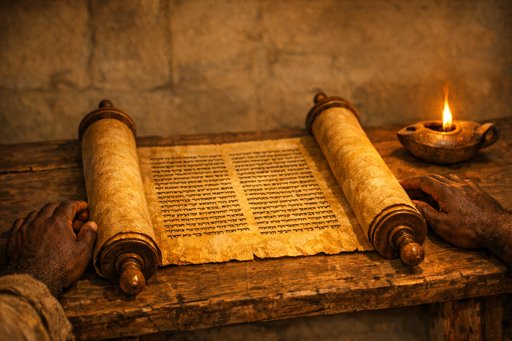
Isaiah receives a vision from YHWH indicting Judah and Jerusalem for rebellion, spurning his laws, and rejecting correction, leaving their land in ruins. YHWH promises to purify the remnant like lye, judge the wicked, and restore the faithful who obey, contrasting their corrupt sacrifices with true righteousness.[1]
Chapter 2
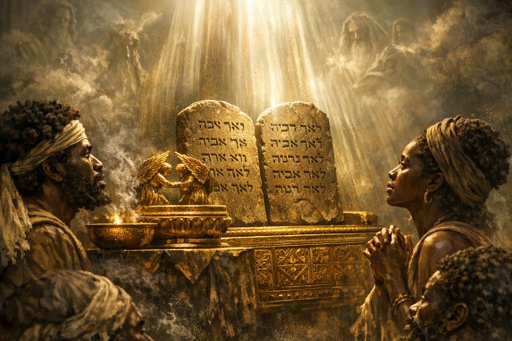
Isaiah envisions the future exaltation of **Zion** where all nations stream to the Temple in Jerusalem to learn **YHWH**'s ways and beat swords into plowshares for lasting peace (2:1-5). He then prophesies **YHWH**'s day of judgment humbling the proud, exalting lofty cedars, mountains, and human arrogance, leaving only awe of **YHWH**'s glory (2:6-22).
Chapter 3
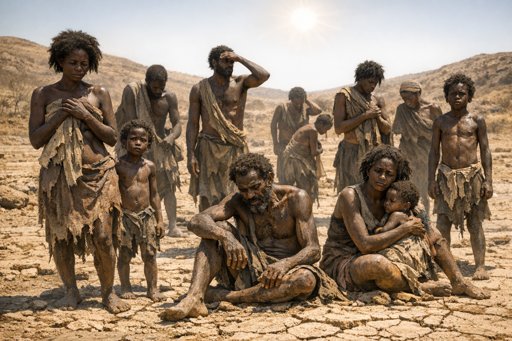
Wickedness in society leads to anarchy, internal collapse, destitution, and invasion by enemies.[2] Isaiah describes how Judah's moral corruption and social injustice will result in divine judgment through societal breakdown and foreign conquest.
Chapter 4
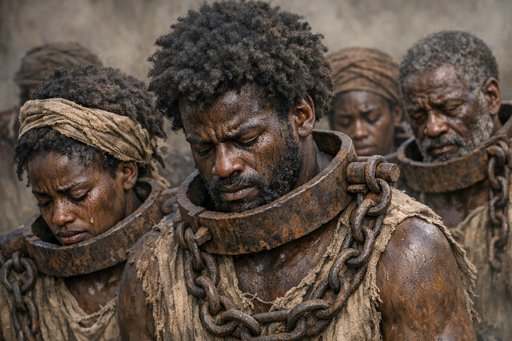
In the Day of Judgment, YHWH preserves alive a remnant of those whose names are inscribed in the Book of Life, cleansing Zion and creating a protective canopy of glory over her.[2] This follows the purging fire of judgment on Jerusalem's wickedness, resulting in the survival of the righteous as a holy remnant.[1]
Chapter 5
Isaiah sings the song of the vineyard, portraying **YHWH**'s favored people Israel and Judah as a vineyard that yields wild grapes due to their injustice, leading to divine judgment through desolation and woes against their greed, drunkenness, and moral corruption.**YHWH** warns of coming Assyrian invasion as punishment.
Chapter 6
Isaiah experiences a vision of YHWH seated on a throne in the temple, surrounded by seraphim who proclaim God's holiness, and Isaiah confesses his unworthiness as a man of unclean lips.[2] A seraphim cleanses Isaiah's lips with a burning coal from the altar, atoning for his sins, and Isaiah responds to YHWH's call to be His messenger to Judah, though his message will harden the people until cities are destroyed and only a remnant remains.[1][3]
Chapter 7
During the reign of King Ahaz of Judah, YHWH sends Isaiah and Shear-jashub to reassure him that the alliance of Rezin of Aram (Syria) and Pekah son of Remaliah of Ephraim (Israel) against Jerusalem will not succeed, as their plot 'shall not stand nor shall it come to pass.' YHWH offers a sign: a virgin (almah) shall conceive and bear a son called Immanuel, and before the child knows good from evil, the lands of those two kings will be forsaken; yet Judah will face desolation from Assyria, reduced to curds, honey, briers, and thorns.[1][2][3]
Chapter 8
YHWH instructs Isaiah to name his son Maher-shalal-hash-baz, signifying the swift plunder of Damascus and Samaria by Assyria before the child speaks.[1][3][5] Because the people rejected the gentle waters of Shiloah and rejoiced in Rezin and Pekah, YHWH brings the Assyrian flood against Judah up to the neck, yet calls them to fear only Him as sanctuary amid coming darkness and distress, while Isaiah seals the testimony among his disciples.[1][2][3]
Chapter 9
Isaiah prophesies that despite the gloom in the lands of **Zebulun** and **Naphtali**, the people will see a great light, with joy increasing as **YHWH** breaks the yoke of oppression; a child is born, a son given, called Wonderful Counselor, Mighty God, Eternal Father, Prince of Peace, whose government will expand eternally on David's throne with justice[1][3][4]. The chapter condemns the arrogant pride of Ephraim and Samaria who vow to rebuild better after destruction, warns of **YHWH**'s judgment through enemies like Arameans and Philistines, cutting off leaders and false prophets, and depicts wickedness as a devouring fire leading to civil strife among Manasseh, Ephraim, and Judah, yet **YHWH**'s anger remains[1][2][3].
Chapter 10
Isaiah condemns corrupt leaders who oppress the poor, widows, and orphans, pronouncing YHWH's judgment upon them, while revealing that Assyria serves as YHWH's instrument of wrath against Israel but will be punished for its arrogance and pride.[1][2][3] A faithful remnant of Israel will return and rely solely on YHWH, as He describes Assyria's advance toward Jerusalem only to fell it like a forest, breaking its yoke from Judah's neck.[1][3][4]
Chapter 11
A shoot from the stump of Jesse, endowed with YHWH's Spirit, will judge righteously, slaying the wicked with his words, bringing peace where predators dwell harmlessly with prey, and filling the earth with knowledge of YHWH.[1][3][5] YHWH will raise a banner for the Root of Jesse, gather Israel's remnant from exile, unite Ephraim and Judah to conquer Edom, Moab, and Ammon, and prepare a highway from Assyria as in the exodus from Egypt.[1][3]
Chapter 12
In that day, Israel will thank YHWH for turning away His anger and comforting them, declaring Him as their salvation, strength, and song, trusting without fear.[1][6] They will joyously draw water from salvation's springs, proclaim YHWH's deeds among the nations, sing of His excellent works, and shout for joy because the Holy One of Israel is in their midst.[1][4]
Chapter 13
Isaiah prophesies the destruction of Babylon by YHWH Tseva'ot (Lord of Hosts) on the day of His fierce anger, with cosmic upheaval, humanity rarer than gold, inhabitants fleeing like hunted gazelles, infants dashed, houses plundered, and wives ravished.[1][2] YHWH stirs up the Medes against Babylon, which will become uninhabited, desolate with wild beasts, owls, and satyrs dwelling there.[1][2]
Chapter 14
YHWH promises compassion on Jacob and restoration of Israel to their land, followed by a taunt over the fallen king of Babylon, whose prideful ambition to ascend above the stars of God and be like Elyon leads to his descent to Sheol.[1][2][3] The chapter concludes with oracles against Assyria, whose yoke YHWH will break, and Philistia, warned of doom from the north while affirming Zion as refuge for YHWH's afflicted people.[1][3]
Chapter 15
YHWH pronounces judgment on Moab, foretelling the devastation of its cities Ar and Kir, with inhabitants fleeing in mourning to the shrines of Dibon, Nebo, and Medeba, their heads shaved and beards cut in grief.
Chapter 16
Moab is urged to seek refuge in Judah and send tribute to YHWH's mountain to avoid destruction, but pride leads to its downfall within three years. YHWH declares judgment on Moab's insolence, foretelling the desolation of its cities like Arnon, Dibon, and Elealeh.
Chapter 17
Isaiah prophesies the destruction of Damascus, turning it into a ruinous heap, and the end of Ephraim's fortresses and Syria's kingdom, with their remnant like Israel's glory, declares YHWH Tseva'ot[1][2][3]. Israel's glory fades like a harvested field with few gleanings left; due to forgetting the Rock of salvation and idolatry, their cities desolate and planted gardens fail, yet YHWH rebukes roaring nations that plunder Israel, scattering them like chaff by morning[1][2][3][4].
Chapter 18
Isaiah pronounces woe on the land of whirring wings beyond the rivers of Cush, which sends swift messengers in papyrus boats to a tall, smooth-skinned, feared nation whose land is divided by rivers.[1][5] YHWH declares He will quietly observe from His dwelling like heat in sunshine or dew in harvest, then prune the ripening Assyrian plans like vines, leaving their army as carrion for birds and beasts, after which Cush will bring gifts to Mount Zion.[1][2][4]
Chapter 19
YHWH prophesies judgment on Egypt through civil war, failed wisdom, a cruel king, Nile drying up, and confusion among leaders, causing economic devastation and terror, with the land of Judah becoming a source of fear.[1][3][4] Ultimately, Egyptians will turn to YHWH, receive a savior, build an altar and pillar for worship, and join Assyria and Israel in blessing as a highway connects them.[1][3][4]
Chapter 20
Isaiah receives a command from YHWH to walk naked and barefoot for three years as a sign against Egypt and Ethiopia, symbolizing the humiliation and captivity that will come upon these nations.[1] This prophetic act demonstrates the fate that awaits those who rely on human power rather than trust in YHWH, as the Assyrian king Sargon will conquer and deport the citizens of Egypt.[1]
Chapter 21
Isaiah receives a vision of Babylon's fall to Elam and Media, described as the 'wilderness of the sea,' causing him intense physical anguish like labor pains; a watchman reports its confirmation with the cry 'Babylon is fallen.' The chapter includes shorter oracles against Dumah (Edom), urging a lookout amid confusion, and Arabia, predicting Kedar's glory ending within a year by YHWH's decree as fugitives flee war.[1][2][3]
Chapter 22
Isaiah prophesies judgment on Jerusalem, the 'Valley of Vision,' amid an invasion by Elam and Kir, yet the people revel instead of repenting and seeking YHWH's help, fortifying the city futilely.[1][2][3] YHWH condemns steward Shebna's pride, promising to hurl him away and replace him with faithful Eliakim son of Hilkiah, granted the key of David's house, though he too will eventually fail.[1][2]
Chapter 23
YHWH pronounces an oracle against Ṣôr (Tyre), foretelling its merchants' mourning as trading partners like Ṣīdôn (Sidon), Egypt, and Cyprus face destruction or siege, leading to Tyre's humbling and temporary prostitution to kings before eventual restoration after seventy years, after which it will resume maritime trade under YHWH's sovereignty.
Chapter 24
Isaiah 24 describes YHWH's comprehensive judgment upon the earth due to humanity's transgression of God's everlasting covenant, resulting in widespread desolation affecting all social classes equally.[1][3] The chapter depicts catastrophic physical upheaval—the earth emptied and scattered, shaken violently like a drunkard, with celestial bodies darkened—followed by the confinement of heavenly powers and earthly kings as prisoners, though it concludes with the promise of YHWH's ultimate glory.[1][2][3]
Chapter 25
Isaiah praises YHWH for his protection as a stronghold and refuge from enemies, describing a future feast on Mount Zion where YHWH swallows up death forever and wipes away tears.[1] YHWH restores Israel, bringing joy in salvation, while judging Moab by drowning its pride like in the waters of Sela.[1]
Chapter 26
Isaiah 26 is a song of trust in YHWH as the eternal Rock, celebrating His humbling of lofty cities for the poor to trample, perfect peace for the steadfast, judgment on the wicked who ignore His majesty, and expansion of His nation despite past distress.[1][2][3] It prophesies resurrection of the righteous like dew awakening the dead, urging YHWH's people to hide in chambers until His indignation passes, when He punishes earth's inhabitants and uncovers bloodshed.[1][2][4]
Chapter 27
In that day, YHWH will slay **Leviathan** the fleeing and twisting serpent, the dragon in the sea; He tends His **pleasant vineyard** (Israel), guarding it from briers and thorns, promising that Jacob will take root, blossom, and fill the world with fruit[1][3][4]. Jacob’s guilt is atoned by destroying pagan altars and Asherah poles, the fortified city becomes desolate for a people without understanding, and YHWH will gather Israel one by one from the river to Egypt for worship in Jerusalem[1][2][5].
Chapter 28
Isaiah pronounces woe on the proud, drunken leaders of Ephraim (the northern kingdom), foretelling YHWH's judgment that will trample their crown like a fading fig, while a remnant will be preserved as YHWH's glory[1][2][3]. He rebukes Jerusalem's scoffers for their false covenant with death and Sheol, promising instead a precious cornerstone in Zion for believers, an overwhelming scourge, and YHWH's strange work of destruction measured by justice and righteousness, likened to a farmer's discerning labor[1][2][3].
Chapter 29
YHWH pronounces judgment against Jerusalem (Ariel), declaring He will besiege the city and bring its proud inhabitants low, speaking from the dust like ghosts, while their enemies will be scattered like dust and chaff in the wind.[1][2] The chapter condemns the spiritual blindness and religious formality of Jerusalem's leaders and prophets, who hide their counsel from YHWH, yet promises eventual restoration when the blind will see and the deaf will hear.[1][2]
Chapter 30
YHWH condemns Judah for seeking alliance with Pharaoh and Egypt against Assyria, warning it will bring shame and destruction like a collapsing wall, while urging trust in him for salvation through returning and rest.[1][2][3] Despite judgment, YHWH promises mercy, deliverance from Assyria with his voice and arm in raging fire and hail, destruction in Tophet, and future blessings of prosperity and guidance for the repentant.[1][2][4]
Chapter 31
Isaiah warns Judah against trusting in Egypt and military alliances instead of YHWH, contrasting the flesh of Egyptian horses with God's spirit.[1][3] YHWH promises to defend Jerusalem like a fierce lion and hovering birds, and will destroy Assyria with a sword not made by human hands, while calling Judah to repent and return to God.[1][2][3]
Chapter 32
Isaiah prophesies that a righteous king will reign in justice, providing shelter and refuge while exposing fools and scoundrels[2][3]. He warns complacent women of Jerusalem that judgment is coming through an Assyrian invasion, but promises that when YHWH's Spirit is poured out, the wilderness will become fruitful and the people will dwell in peace and righteousness[1][2].
Chapter 33
Isaiah pronounces woe on the destroyer (Assyria) who plunders treacherously, foretelling their own destruction; he pleads for YHWH's grace amid distress, depicting YHWH's exaltation, fiery judgment consuming enemies like chaff, and the scattering of nations leaving spoil.[1][2][4] YHWH promises Zion as a secure habitation with broad rivers, declares Himself Judge, Lawgiver, and King who saves; the enemy's ships fail, abundant plunder is divided even by the lame, and inhabitants are healed with iniquity forgiven.[1][4][5]
Chapter 34
Isaiah proclaims YHWH's judgment against all nations, particularly Edom, describing a day of vengeance where mountains will overflow with blood, the heavens will be rolled up like a scroll, and the land will become a desolate wasteland inhabited only by wild animals and demonic creatures.[1][2] The chapter uses Edom as a symbolic representation of God's punishment against all nations that disobey His laws, with the imagery of sacrifice emphasizing that this judgment is payment for the penalty of sin.[2]
Chapter 35
Isaiah prophesies the transformation of the wilderness and desert into a flourishing land revealing the glory of YHWH, with the blind seeing, deaf hearing, lame leaping, and mute singing as waters burst forth in the desert.[1][2][3] He urges strengthening weak hands and feeble knees, announcing YHWH's coming salvation, and describes the 'Holy Way' highway where the redeemed of YHWH return to Zion with everlasting joy, safe from harm.[1][2][4]
Chapter 36
In the fourteenth year of King Hizqiyyahu, Sênnaḵērib king of Assyria invades Yehudah, capturing fortified cities, and sends his field commander Rabshaqeh from Laḵis to Yerushalayim to intimidate Hizqiyyahu's officials Eliyaqim, Shebna, and Yo’aḥ.[1][3] Rabshaqeh mocks their trust in Mitsrayim and YHWH, blasphemes YHWH by claiming no god can deliver Yerushalayim, threatens siege horrors, offers surrender terms, and shouts in Hebrew to the people, but they remain silent as instructed, and the officials tear their clothes reporting to Hizqiyyahu.[2][3][4]
Chapter 37
Hezekiah tears his clothes and seeks Isaiah's counsel amid Assyrian threats; Isaiah prophesies YHWH's rebuke of Sennacherib, promising a sign of Judah's remnant taking root and divine defense of Jerusalem.[1][2][3] YHWH sends a mal'ak who strikes 185,000 Assyrians dead overnight, causing Sennacherib to withdraw and later fall by the sword.[1][4]
Chapter 38
King Hizqiyyahu falls mortally ill; Yesha'yahu prophesies his death, but after Hizqiyyahu's prayer pleading his faithfulness to YHWH, YHWH promises through Yesha'yahu to extend his life by fifteen years, deliver him from Assyria, and confirms it by moving the shadow on the sundial of Ahaz backward ten steps.[1][2][3] Hizqiyyahu composes a psalm of thanksgiving for deliverance from Sheol and restoration to life, praising the living who can laud YHWH; Yesha'yahu prescribes a fig poultice for the boil.[1][2][4]
Chapter 39
Merodach-Baladan, king of Babylon, sends envoys with letters and a gift to Hezekiah after hearing of his recovery; Hezekiah gladly shows them all his treasures, silver, gold, spices, armory, and storehouses.[1][2] Isaiah confronts Hezekiah, prophesying that YHWH of Hosts declares everything in his palace will be carried to Babylon, with nothing left, and some of his descendants taken as eunuchs in the Babylonian king's palace; Hezekiah accepts it as good since peace will be in his days.[1][2]
Chapter 40
Isaiah 40 offers comfort to the Israelites during Babylonian exile, announcing the end of their suffering and proclaiming YHWH's incomparable power and sovereignty over all creation.[1][2] The chapter calls Israel to remember YHWH's faithfulness in rescuing them, promising that those who trust in YHWH will renew their strength and mount up with wings like eagles.[1][5]
Chapter 41
YHWH calls the coastlands and nations to silence and renew their strength to present their case, declaring His stirring up a conqueror from the east (Cyrus) who subdues nations effortlessly, while idolaters encourage one another futilely.[1][2][3] YHWH reassures Israel, His worm-like servant, of victory over enemies, provision for the needy with water and trees in the desert, and challenges idols to trial, proving them powerless and worthless abominations.[1][3][4]
Chapter 42
YHWH introduces His Servant who will bring justice to the nations with gentleness and compassion, opening the eyes of the blind and freeing prisoners.[1][2] YHWH then declares His power to overcome all obstacles and judgment against those who trust in idols, while Israel, despite receiving signs and laws, remains spiritually blind and deaf due to disobedience.[1][2]
Chapter 43
YHWH reassures Israel not to fear, promising protection through waters and fire, redemption by name, and exchange of nations like Egypt and Cush for their return from exile, while challenging idols and affirming His uniqueness as the only Savior who predicts the future[1][2][3]. He vows to judge Babylon as He drowned Egypt's armies, urges forgetting former things for a new path through the wilderness with rivers in the desert, rebukes Israel's burdensome sins despite light requirements, yet offers forgiveness by blotting out transgressions for His own sake[1][2][3].
Chapter 44
YHWH comforts Israel (Ya'akov and Yeshurun), promising to pour out water, Spirit, and blessings for renewal, proclaims His uniqueness as the First and Last with no other God, and ridicules the futility of idolatry by detailing how craftsmen make useless idols from materials used for fuel and food.[1][2][3] YHWH declares He blots out Israel's transgressions like a cloud, calls heaven and earth to rejoice in Israel's redemption, vows to restore Jerusalem and the temple through Koresh (Cyrus), whom He names as His shepherd and anointed to rebuild.[1][2][4]
Chapter 45
YHWH anoints Koresh (Cyrus), a non-Israelite king, empowering him to conquer nations, break gates, and free Yisra'el exiles from Babylon without price or reward, demonstrating YHWH's sovereign control.[1][2][3] YHWH asserts sole divinity, condemns idols, promises nations like Mitsrayim (Egypt) and Kush (Cush) will submit to Yisra'el, calls all to look to Him for salvation, and declares every knee shall bow to Him in righteousness.[1][2][4]
Chapter 46
Isaiah 46 contrasts the impotence of Babylonian idols **Bel** and **Nebo**, which bow down, stoop, and become burdens carried away into captivity by weary beasts, unable to deliver their worshippers[1][2][3][4][5][9]. In opposition, **YHWH** declares He has carried Israel from the womb, will sustain them to old age and gray hairs, and will summon **Cyrus** from the east to execute His purpose and deliver His people, challenging all to remember His unrivaled sovereignty[1][2][3][5].
Chapter 47
Isaiah 47 pronounces judgment against Babylon, personified as a proud virgin daughter who will be stripped of her power, prestige, and luxuries as divine retribution for her arrogance and cruelty toward Judah and Jerusalem.[1][2][3] The chapter emphasizes that Babylon's sorceries and enchantments cannot save her from YHWH's inevitable judgment, and that no one will be able to deliver her from the calamity that will suddenly befall her.[1][2][3]
Chapter 48
YHWH rebukes the house of Jacob/Israel for their stubbornness, obstinacy, and hypocrisy despite invoking His name, affirming His foreknowledge and sovereignty to prevent idol attribution, and declaring He has refined them in the furnace of affliction for His own glory.[1][2][3] He promises deliverance from Babylon through His chosen ally, calls them to listen and obey for prosperity like a river, and warns there is no peace for the wicked.[1][2][3]
Chapter 49
The Servant of YHWH, called from the womb with mouth like a sharp sword and hidden as a polished arrow, laments laboring in vain but is assured by YHWH of his mission to restore Yaʿakov, gather Yisraʾel, and be a light to the Goyim.[1][2][3] YHWH comforts Tsiyon, promising her children will return in abundance making the land too small, nations will bring them back in recognition of YHWH's sovereignty, and oppressors will be defeated.[1][3][4]
Chapter 50
YHWH challenges Israel, asking for proof of divorce from their mother (Zion), asserting no such bill exists as their separation stems from their own iniquities, not His abandonment, and demonstrates His power to redeem by drying seas and darkening heavens.[1][2][3] The Servant, with ear opened by Adonai YHWH, submits obediently, enduring beatings, beard-plucking, and spitting without rebellion, setting his face like flint in trust of divine help; YHWH warns those fearing Him to trust the Servant, while self-reliant fire-kindlers face torment.[1][2][4]
Chapter 51
YHWH comforts the exiled Israelites by reminding them of His power to deliver them, promising to restore Zion's desolate places like Eden and assuring them that His salvation will endure forever.[1][2] The chapter addresses Israel's fear of mortal enemies, describes their suffering under divine judgment (drinking the cup of YHWH's wrath), and concludes with YHWH's promise to reverse their fortunes by removing the cup of wrath from them and placing it upon their oppressors.[2][4]
Chapter 52
YHWH calls Zion to awake, put on strength and beautiful garments, for the uncircumcised and unclean shall no longer enter, promising redemption without money after being sold for nothing, as oppressors like Egypt and Assyria blasphemed His name[1][2][3]. Watchmen rejoice at YHWH's return, His servant is heralded with beautiful feet proclaiming peace, and the exalted Servant, though disfigured, astonishes kings and nations[1][2][3].
Chapter 53
Isaiah 53 describes the suffering servant who grows up humbly before YHWH, rejected and despised by people, yet bears the transgressions of many through his suffering and death.[1][2] Though oppressed and led like a lamb to slaughter without defending himself, the servant's afflictions bring healing and atonement to the people, and he is ultimately exalted and vindicated by YHWH.[2][3]
Chapter 54
YHWH calls the barren Israel to sing for joy, promising her more children than the married woman, and instructs her to enlarge her tent for future expansion and inheritance of nations.[1][2] YHWH, as Israel's husband and Redeemer, assures everlasting mercy after a brief forsaking, an unbreakable covenant of peace, rebuilding Zion with precious stones, and protection where no weapon against her prospers.[1][2][3]
Chapter 55
YHWH invites the thirsty and those without money to come freely for water, wine, milk, and spiritual sustenance that satisfies, urging Israel to abandon unsatisfying pursuits and heed His voice for life and an everlasting covenant with the sure mercies of David, drawing nations to Israel's glory.[1][2][4] He calls the wicked to forsake their ways and thoughts, promising abundant pardon through His higher thoughts and ways, with His word accomplishing its purpose like rain, leading to joy, peace, and nature's celebration where thorns yield to cypress trees.[1][2][4]
Chapter 56
YHWH calls for maintaining justice (מִשְׁפָּט) and righteousness (צְדָקָה) and keeping the Sabbath, promising salvation and an everlasting name to foreigners and eunuchs who join His covenant, making His house a house of prayer for all nations where He gathers others besides Israel.[1][2][3][4] He condemns Israel's blind watchmen and greedy shepherds as mute dogs and drunkards, inviting beasts of the field to devour due to their negligence.[1][3][4]
Chapter 57
YHWH condemns Israel's idolatry, spiritual adultery, and child sacrifices under green trees and smooth stones, mocking the righteous who enter peace, while promising mercy and healing to the penitent humble but declaring no peace for the wicked like a tossing sea.[1][2][3][4]
Chapter 58
YHWH rebukes Israel for hypocritical fasting that involves exploitation, strife, and self-interest rather than true humility, commanding instead to loose bonds of wickedness, free the oppressed, share bread with the hungry, shelter the homeless, and clothe the naked.[1][2][3] He promises that such righteousness will bring light in darkness, healing, guidance, restoration of ruins, and delight in keeping the Sabbath holy without personal pursuits.[1][2][6]
Chapter 59
Isaiah 59 indicts Israel for sins like violence, lies, and injustice that separate them from YHWH (vv. 1-8), followed by their confession of transgressions causing darkness and hopelessness (vv. 9-15a). YHWH, seeing no intercessor, intervenes with His own arm for salvation, dons vengeance, and promises a Redeemer (*go'el*) to Zion who establishes an everlasting covenant of the Spirit and words (vv. 15b-21).
Chapter 60
YHWH commands Zion to arise and shine as His light and glory dawn upon her amid global darkness, drawing nations, kings, and their wealth—gold, incense, and resources from Sheba, Midian, and others—to honor and rebuild her.[1][2][3] Foreigners build her walls, gates remain open continually, violence ends, and YHWH becomes her everlasting light, with her people righteous, inheriting the land forever as a strong nation.[1][3][5]
Chapter 61
The anointed speaker, empowered by the **Ruach** of Adonai YHWH, proclaims good news to the poor, liberty to captives, the year of YHWH's favor and the day of His vengeance, and comfort to mourners by granting beauty for ashes, joy for mourning, and praise for heaviness, calling them oaks of righteousness[1][2][3]. God's people will rebuild ruins, serve as priests receiving nations' wealth, inherit double honor and everlasting joy through YHWH's everlasting covenant of justice, with the speaker exulting in garments of salvation and righteousness like a bridegroom[1][3].
Chapter 62
YHWH vows not to rest until Zion's righteousness shines like brightness and her salvation like a burning lamp, visible to the nations, earning her a new name as a crown of glory in God's hand.[1][2][4] Zion will be renamed Hephzibah ('My delight is in her') and her land Beulah ('married'), with YHWH rejoicing over her as a bridegroom; He swears enemies will no longer plunder her produce, calls sentinels to pray unceasingly, and commands preparation of the highway for her salvation's arrival.[1][3][4]
Chapter 63
YHWH appears from Bozrah with blood-stained garments, having trodden the winepress alone in anger, trampling nations in vengeance and redeeming His people without aid (Isaiah 63:1-6)[1][2][3]. The prophet recounts YHWH's steadfast love and redemption of Israel as Father and Redeemer, laments their rebellion against His Ruach ha-Qodesh, and pleads for mercy despite their sin (Isaiah 63:7-19)[3][5][6].
Chapter 64
Isaiah 64 is a corporate lament prayer where the remnant of Israel pleads with YHWH to 'rend the heavens and come down,' seeking divine intervention and manifest presence during a time of desolation.[2] The prayer moves through petition for God's intervention, confession of sin (acknowledging their righteousness as 'filthy rags'), and renewed pleas for mercy, with the people describing themselves as clay in the potter's hands despite YHWH's hidden face and the destruction of Zion and the temple.[1][2][3]
Chapter 65
YHWH responds to a rebellious people provoking Him with idolatry, eating swine's flesh, and false holiness, promising judgment and repayment of their iniquities into their bosoms[1][2][4][5]. He spares a faithful remnant for His servants' sake, promising them inheritance of the land, while the wicked face slaughter, followed by a vision of new heavens and earth with long life, peace, productive labor, no harm from animals, and instant divine response[1][2][3][5].
Chapter 66
Isaiah 66 condemns false worship and materialism, emphasizing that YHWH transcends any physical temple and values humility and reverence over external religious ceremonies[1][3][4]. The chapter concludes with prophecies of YHWH's judgment against the wicked through fire and sword, the restoration and gathering of Israel, and the proclamation of YHWH's glory to distant nations[1][2].